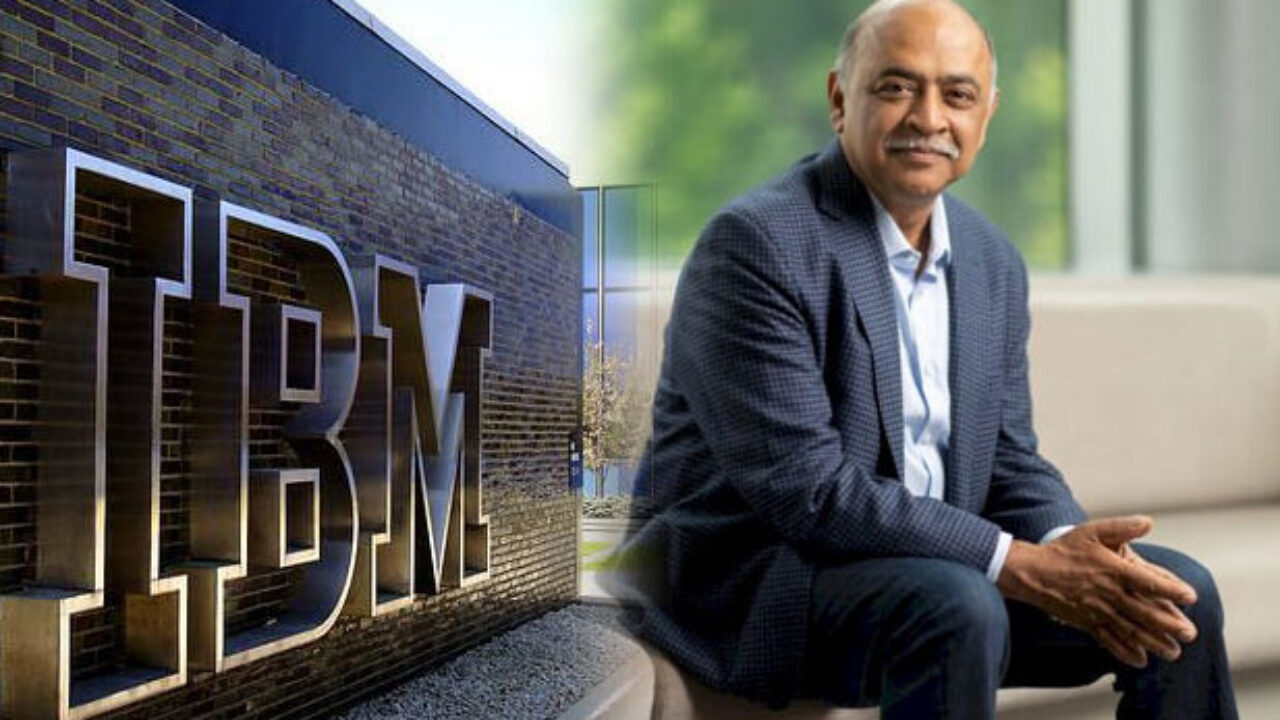
Arvind Krishna: Leading IBM into a New Era of Innovation

88themovie.com – Arvind Krishna was born on April 13, 1962, in West Godavari, India. His early education in India set the foundation for a future in technology and innovation. Krishna earned his Bachelor of Technology degree in Electrical Engineering from the Indian Institute of Technology, Kanpur. He then moved to the United States, where he completed his Ph.D. in Electrical Engineering from the University of Illinois at Urbana-Champaign.

Career at IBM

Arvind Krishna joined IBM in 1990, embarking on a career that would span over three decades. Throughout his tenure, Krishna held various leadership roles, including Senior Vice President of Cloud and Cognitive Software and Senior Vice President and Director of IBM Research. His work in these positions played a crucial role in shaping IBM’s strategy in cloud computing, artificial intelligence, and quantum computing.

Appointment as CEO

In April 2020, Arvind Krishna was appointed as the CEO of IBM, succeeding Ginni Rometty. His appointment came at a pivotal time, as IBM sought to reinvent itself in the face of a rapidly evolving tech landscape. Krishna’s deep technical expertise and strategic vision made him the ideal choice to lead IBM into its next chapter.

Leadership and Strategic Vision

As CEO, Arvind Krishna has focused on driving IBM’s transformation through innovation in hybrid cloud and artificial intelligence. He spearheaded the $34 billion acquisition of Red Hat, which has been central to IBM’s hybrid cloud strategy. Under his leadership, IBM has prioritized open-source technologies and partnerships, positioning the company as a leader in hybrid cloud solutions.

Krishna’s vision for IBM includes a strong emphasis on advancing AI and quantum computing capabilities. He is committed to fostering a culture of continuous learning and innovation within IBM, encouraging the development of cutting-edge technologies that address complex business challenges.

Impact and Legacy

Arvind Krishna’s leadership is reshaping IBM’s business model, emphasizing agility and customer-centric solutions. His efforts to streamline operations and focus on high-value segments have been instrumental in IBM’s ongoing transformation. Krishna’s tenure is marked by a commitment to ethical AI and data responsibility, ensuring technology advancements align with societal values.

Conclusion

Arvind Krishna’s journey from a young engineer to the CEO of IBM is a testament to his dedication and vision for the future of technology. As he continues to lead IBM through a period of significant change, Krishna’s influence will be pivotal in shaping the company’s legacy and its role in the global tech ecosystem.

Overseeing Operations and Strategy: CEO Responsibilities

88themovie.com – The role of a Chief Executive Officer (CEO) in a company is multifaceted, encompassing both operational oversight and strategic direction. The CEO is the highest-ranking executive in a company, responsible for making major corporate decisions, managing operations, and resources. This article explores the key responsibilities of a CEO in overseeing operations and strategy, drawing insights from various sources.

Strategic Leadership and Vision Setting

A CEO’s primary role is to set the strategic direction of the company. This involves defining the company’s purpose, vision, and core values. The CEO is tasked with establishing long-term goals and objectives, considering market trends, competitive landscape, and customer needs. For instance, Elon Musk, CEO of Tesla, has set the company’s vision towards sustainable transportation, guiding its strategic decisions towards this goal.

Overseeing Operations

In addition to strategic leadership, a CEO must oversee the day-to-day operations of the company. This includes managing the workforce, resources, and ensuring that the company runs efficiently and effectively. The CEO is responsible for implementing the strategic plans and ensuring that all departments are aligned with the company’s goals.

Financial Management

Financial management is another critical responsibility of a CEO. This involves overseeing the company’s financial health, making decisions on how to allocate resources, and ensuring that the company is financially stable. The CEO must also manage the company’s budget, make decisions on how to raise funds, and how to distribute surplus capital.

Building and Leading the Leadership Team

A CEO is also responsible for building and leading the senior leadership team. This involves attracting top talent, hiring and terminating employees, and creating a leadership team that can oversee the day-to-day operations of the company. The CEO must ensure that the leadership team is aligned with the company’s vision and values and that they are capable of driving the company towards its strategic goals.

Communication and Stakeholder Management

Effective communication is crucial for a CEO. They must communicate the company’s vision and strategy to stakeholders, including employees, investors, and customers. The CEO is often the public face of the company, representing it in the media and at public events.

Conclusion

The role of a CEO is complex and demanding, requiring a blend of strategic thinking, operational oversight, and leadership skills. By effectively setting and implementing strategic direction, overseeing operations, managing finances, building a strong leadership team, and communicating effectively, CEOs can lead their companies to success and ensure their sustainability in the competitive global market.