Draw!: A Classic Western Showdown – A Cast of Strong Performers

88themovie.com – Draw! is a 1984 American Western film directed by Steven Hilliard Stern. It stars two legendary actors, Kirk Douglas and James Coburn, in a classic showdown. The film is set in the final days of the Old West and tells the story of two former adversaries who are forced to confront their past.   

A Cast of Strong Performers

Alexandra Bastedo, known for her roles in television series like The Champions and films such as The Blood Spattered Bride, plays a key role in the film. She portrays Bess, a woman caught up in the conflict between the two protagonists. Her performance adds a touch of glamour and intrigue to the Western setting.   

A Nostalgic Tribute to the Old West

Draw! is a nostalgic tribute to the classic Western genre. The film captures the spirit of the Old West, with its dusty landscapes, saloons, and gunfights. The performances of Kirk Douglas and James Coburn are particularly noteworthy, bringing depth and complexity to their characters.

A Timeless Tale of Redemption and Revenge

The film explores themes of redemption, revenge, and the fading glory of the Old West. As the two protagonists face off in a final showdown, the audience is left to ponder the consequences of violence and the nature of heroism.

Draw! is a classic Western that continues to entertain audiences with its compelling story, strong performances, and timeless themes. It’s a must-watch for fans of the genre and a reminder of the enduring appeal of the American West.

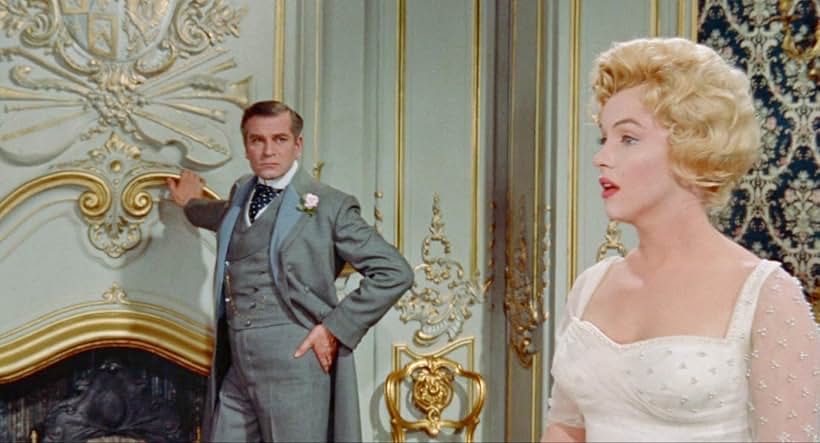
The Prince and the Showgirl: A Dance of Charm and Elegance

88themovie.com – “The Prince and the Showgirl,” released in 1957, is a romantic comedy that brought together two of the era’s most iconic stars: Marilyn Monroe and Laurence Olivier. Directed by Olivier himself, the film is an adaptation of the play “The Sleeping Prince” by Terence Rattigan. This charming and witty film showcases the dynamic chemistry between its leads and remains a memorable piece of classic cinema.

Plot Overview

Set in 1911, during the coronation of King George V, the film follows the story of Charles, the Prince Regent of Carpathia, and Elsie Marina, an American showgirl. When Charles invites Elsie to a diplomatic dinner, intending to seduce her, he finds himself unexpectedly charmed by her wit and vivacity. Over the course of the evening, Elsie influences the prince’s political decisions and personal outlook, leading to a delightful interplay of romance and comedy.

Themes and Character Development

“The Prince and the Showgirl” explores themes of class differences, political intrigue, and the transformative power of love. Marilyn Monroe’s portrayal of Elsie is both enchanting and nuanced, capturing the character’s intelligence and spontaneity. Laurence Olivier’s performance as the stiff and reserved prince provides a perfect counterbalance, highlighting his gradual transformation under Elsie’s influence.

Cinematic Style and Impact

The film is known for its lavish production design and elegant costumes, reflecting the opulence of the early 20th century. Olivier’s direction maintains a balance between humor and romance, while Monroe’s performance adds a layer of charm and authenticity. Despite its initial mixed reviews, the film has gained appreciation over time for its engaging performances and enchanting storytelling.

Behind-the-Scenes Dynamics

The production of “The Prince and the Showgirl” is notable for the behind-the-scenes dynamics between Monroe and Olivier. Their differing acting styles and personalities led to tensions, which have since become part of Hollywood lore. These challenges, however, did not detract from the film’s on-screen magic, and both actors delivered memorable performances.

Conclusion

“The Prince and the Showgirl” remains a classic example of romantic comedy from the Golden Age of Hollywood. Its delightful narrative, combined with the star power of Monroe and Olivier, continues to captivate audiences. The film stands as a testament to the enduring appeal of its leads and the timeless charm of its story.

The Billionaire (2011) – A Tale of Ambition and Success

88themovie.com – “The Billionaire,” also known as “Top Secret: Wai Roon Pan Lan,” is a 2011 Thai biographical drama film directed by Songyos Sugmakanan. The film tells the true story of Itthipat “Top” Kulapongvanich, a young entrepreneur who rose from humble beginnings to become one of Thailand’s youngest billionaires. This inspiring film captures the essence of determination, innovation, and the entrepreneurial spirit.

Plot Summary

The story follows Top, portrayed by Pachara Chirathivat, a teenager who is more interested in video games than academics. Faced with family financial difficulties, Top takes a bold step to drop out of university and start his own business. Despite numerous challenges and setbacks, including failed ventures and skepticism from those around him, Top perseveres. He eventually finds success with a packaged fried seaweed snack brand that becomes a massive hit, transforming his life and his family’s fortune.

Characters and Performances

Pachara Chirathivat delivers a compelling performance as Top, capturing the character’s youthful enthusiasm, resilience, and growth. The film also features strong supporting performances from Walanlak Kumsuwan and Somboonsuk Niyomsiri, who add depth to the narrative by portraying Top’s supportive family members. Their interactions highlight the importance of family support and belief in one’s dreams.

Themes and Messages

“The Billionaire” emphasizes themes of perseverance, innovation, and the courage to pursue one’s passions. It illustrates that success often requires taking risks and learning from failures. The film also highlights the cultural and economic landscape of Thailand, providing insight into the challenges and opportunities faced by young entrepreneurs in the country.

Reception and Impact

The film was well-received by audiences and critics alike for its engaging storytelling and inspirational message. It resonated particularly with young viewers, aspiring entrepreneurs, and those interested in stories of real-life success. “The Billionaire” serves as a motivational tale that encourages viewers to pursue their goals and remain resilient in the face of adversity.

Conclusion

“The Billionaire” is an inspiring and entertaining film that showcases the remarkable journey of Itthipat Kulapongvanich. With its blend of drama, humor, and real-life lessons, the film offers a captivating viewing experience for anyone interested in entrepreneurship and personal growth. It stands as a testament to the idea that with determination and innovation, anything is possible.

The Night Comes for Us (2018) – Martial Arts Masterpiece

88themovie.com – “The Night Comes for Us,” released in 2018, is a high-octane Indonesian action thriller directed by Timo Tjahjanto. Known for its intense fight sequences and gripping storyline, the film has gained international acclaim for its innovative approach to martial arts cinema. Featuring a stellar cast including Iko Uwais, Joe Taslim, and Julie Estelle, the movie showcases the best of Indonesian action filmmaking, blending brutal choreography with a compelling narrative.

Plot and Themes

The film follows Ito, played by Joe Taslim, a former triad enforcer who finds himself on the run after deciding to save a young girl from his own organization. This act of defiance sets off a violent chain of events, as Ito becomes the target of his former comrades, including his old friend Arian, portrayed by Iko Uwais. As the story unfolds, viewers are taken on a relentless journey through the criminal underworld, filled with betrayal, redemption, and survival.

“The Night Comes for Us” explores themes of loyalty, morality, and the consequences of violence. It delves into the internal struggle of its protagonist, highlighting the human capacity for change and the desire to break free from a cycle of brutality. The film also examines the bonds of brotherhood and the harsh realities of life within the criminal underworld.

Cinematic Excellence

Director Timo Tjahjanto is celebrated for his masterful direction, crafting a film that is both visually stunning and emotionally resonant. The fight choreography, designed by Iko Uwais and his team, is a standout feature, offering some of the most intense and meticulously executed action sequences in recent cinema. Each scene is a testament to the skill and dedication of the cast and crew, blending traditional martial arts with modern cinematic techniques.

The performances are equally impressive, with Joe Taslim delivering a nuanced portrayal of a man torn between his past and his desire for redemption. Iko Uwais, known for his roles in “The Raid” series, brings his signature intensity and charisma to the role of Arian, creating a formidable antagonist.

Cultural Significance

“The Night Comes for Us” has played a significant role in elevating Indonesian cinema on the global stage, showcasing the country’s talent in action filmmaking. It has been praised for its unique blend of Indonesian cultural elements and universal themes, appealing to a diverse international audience. The film’s success highlights the growing influence of Indonesian filmmakers and martial artists in the global entertainment industry.

Conclusion

“The Night Comes for Us” stands as a landmark achievement in action cinema, offering a thrilling experience that pushes the boundaries of the genre. Its combination of visceral action, compelling storytelling, and strong performances makes it a must-watch for fans of martial arts films. Through its intense narrative and groundbreaking choreography, the film continues to captivate audiences worldwide, solidifying its place as a modern classic in the world of action thrillers.

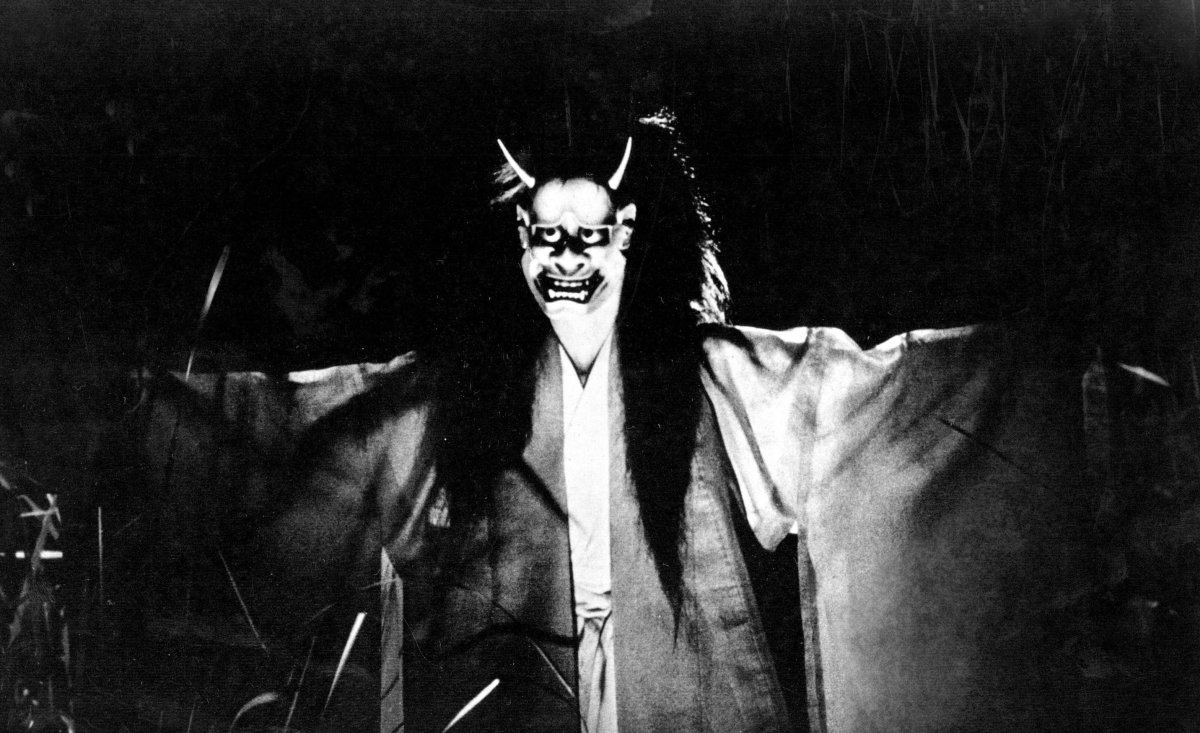
Unearthing the Haunting Beauty of “Onibaba” (1964)

88themovie.com – “Onibaba,” directed by Kaneto Shindo, is a 1964 Japanese horror film that intertwines elements of folklore, psychological drama, and social commentary. Set against the backdrop of a war-torn medieval Japan, it delves into the depths of human nature and primal instincts, presenting a chilling narrative of survival and desire.

Plot Overview

Set in the desolate plains of 14th-century Japan, “Onibaba” follows the lives of two women—a mother-in-law and her son’s wife—who survive by killing wandering samurai and selling their armor. The arrival of Hachi, a war deserter, disrupts their grim routine, leading to a complex web of jealousy, lust, and betrayal. The story takes a supernatural turn when a mysterious demon mask enters their lives, serving as a symbol of the darkness within.

Themes and Motifs

“Onibaba” explores themes of survival, sexual tension, and the corrupting power of desire. The film critiques societal norms and highlights the struggles of women in a patriarchal society. It uses the demon mask as a metaphor for the hidden fears and moral decay lurking beneath the surface of human consciousness.

Cinematic Style

Kaneto Shindo’s direction is marked by atmospheric cinematography and innovative use of sound. The film’s visual style captures the stark beauty of the swaying grass fields, creating a sense of isolation and foreboding. Shindo’s use of natural lighting and shadow enhances the film’s eerie mood, while the haunting score underscores the tension and suspense.

Character Development

The film’s characters are deeply complex, driven by raw emotions and primal urges. The mother-in-law, played by Nobuko Otowa, embodies a fierce determination to survive, while Hachi’s presence introduces a volatile mix of passion and danger. The dynamics between the characters reflect broader themes of power, control, and vulnerability.

Critical Reception

“Onibaba” was acclaimed for its bold storytelling and striking visuals. It is celebrated for its exploration of psychological horror, transcending the traditional boundaries of the genre. Critics have praised Shindo’s ability to weave a compelling narrative that is both visually arresting and thematically profound, solidifying “Onibaba” as a classic in Japanese cinema.

Conclusion

“Onibaba” is a masterful blend of horror and drama that delves into the darkest corners of human nature. Its exploration of desire, fear, and survival remains relevant, offering a timeless reflection on the complexities of the human psyche. For those seeking a thought-provoking and visually stunning film, “Onibaba” stands as a testament to the enduring power of Japanese cinema.

American Dreams in China (2013): Ambition and Friendship

88themovie.com – “American Dreams in China” is a 2013 Chinese film directed by Peter Chan, inspired by the true story of the rise of New Oriental Education & Technology Group. The film explores the themes of ambition, friendship, and cultural identity, offering a captivating narrative about three friends who build a successful English language school in China. Through its engaging storyline and rich character development, the film highlights the challenges and triumphs of pursuing dreams in a rapidly changing world.

Plot Overview

The film follows the journey of three college friends, Cheng Dongqing, Meng Xiaojun, and Wang Yang, who share a common dream of achieving success in America. Set against the backdrop of China’s economic reforms in the 1980s and 1990s, the story begins with their struggles as students and their aspirations to study abroad.

Cheng Dongqing, played by Huang Xiaoming, is a determined yet humble young man from a rural background. Meng Xiaojun, portrayed by Deng Chao, is ambitious and confident, while Wang Yang, played by Tong Dawei, is creative and idealistic. Their plans take an unexpected turn when only Meng Xiaojun manages to secure a visa to America, leaving the other two to find success in China.

Undeterred, Cheng and Wang start an English language school, using innovative teaching methods to attract students. Over time, their venture grows into a thriving business, and Meng eventually returns to join them. The film chronicles their journey as they navigate challenges, personal conflicts, and the pursuit of their dreams, ultimately redefining what success means to them.

Themes and Style

“American Dreams in China” delves into the themes of friendship, perseverance, and the clash between Eastern and Western values. It explores the idea of the “Chinese Dream” as an alternative to the American Dream, emphasizing the potential for success within China itself.

The film’s narrative is both inspiring and relatable, capturing the spirit of entrepreneurship and the power of collaboration. Visually, it combines historical footage with cinematic storytelling, providing a rich cultural context and immersing the audience in the era’s dynamic atmosphere.

Critical Reception

“American Dreams in China” received positive reviews from critics and audiences alike. It was praised for its engaging story, strong performances, and its portrayal of the transformative period in China’s history. The film’s ability to blend humor, drama, and social commentary resonated with viewers, making it both entertaining and thought-provoking.

The performances of the lead actors were particularly lauded, with Huang Xiaoming, Deng Chao, and Tong Dawei delivering nuanced portrayals that brought depth to their characters. The film’s success at the box office further underscored its widespread appeal.

Conclusion

“American Dreams in China” is a compelling film that captures the essence of ambition, friendship, and cultural identity. Through the inspiring journey of its protagonists, the film offers a powerful message about the pursuit of dreams and the importance of perseverance. As a reflection of China’s evolving society, “American Dreams in China” remains a significant work that resonates with audiences both within China and around the world.

The Wolf of Wall Street: A Tale of Ambition and Excess

88themovie.com – “The Wolf of Wall Street,” directed by Martin Scorsese and released in 2013, is a biographical black comedy film based on the life of Jordan Belfort. The movie, adapted from Belfort’s memoir of the same name, chronicles his rise and fall as a stockbroker in the 1990s. Known for its high-energy storytelling and vivid portrayal of the excesses of Wall Street, the film offers a captivating look at ambition, greed, and the consequences of living life on the edge.

Plot Overview

The film follows Jordan Belfort, played by Leonardo DiCaprio, as he starts his career in a Wall Street brokerage firm. After losing his job due to the market crash of 1987, Belfort teams up with Donnie Azoff, played by Jonah Hill, to establish his own firm, Stratton Oakmont. Through aggressive sales tactics and fraudulent schemes, the firm quickly amasses wealth, leading Belfort into a world of extravagance, drugs, and corruption.

As Belfort’s empire grows, so does the scrutiny from law enforcement, eventually leading to an investigation by the FBI. The film captures the highs and lows of Belfort’s journey, showcasing the seductive allure of wealth and the moral compromises that accompany it.

Themes and Messages

“The Wolf of Wall Street” explores themes of greed, excess, and the moral decay that can result from unchecked ambition. It provides a satirical yet critical look at the culture of Wall Street, where the pursuit of wealth often overshadows ethical considerations. The film also examines the impact of Belfort’s actions on his personal life, highlighting the destructive nature of addiction and the hollow satisfaction of material success.

Cinematic Achievements

Martin Scorsese’s direction, combined with Terence Winter’s sharp screenplay, brings Belfort’s story to life with energy and flair. The film’s dynamic pacing and engaging narrative are complemented by strong performances, particularly by Leonardo DiCaprio, who captures Belfort’s charisma and recklessness with remarkable depth. The film’s visual style, including its depiction of lavish parties and chaotic office scenes, immerses viewers in Belfort’s world, offering both entertainment and critique.

Cultural Impact and Legacy

“The Wolf of Wall Street” has left a lasting impact on popular culture, sparking conversations about the ethics of financial practices and the allure of wealth. Its memorable scenes and quotes have become iconic, and the film has been both praised and criticized for its portrayal of excess and debauchery. Despite the controversy, it stands as a compelling examination of the American Dream and the consequences of its darker aspects.

Conclusion

“The Wolf of Wall Street” is a riveting exploration of ambition, greed, and the high-stakes world of Wall Street. Through its vivid storytelling and captivating performances, the film offers a cautionary tale about the pursuit of wealth at any cost. Whether viewed as a satire or a critique, it provides a thought-provoking look at the allure and pitfalls of success in the modern financial world.

The Journey of Passion and Pain: The Depths of “Rockstar”

88themovie.com – “Rockstar,” directed by Imtiaz Ali, is a Bollywood musical drama that delves deep into the complexities of artistic pursuit, love, and heartbreak. Released in 2011, the film stars Ranbir Kapoor and Nargis Fakhri in lead roles. With an unforgettable soundtrack by A.R. Rahman, “Rockstar” has captivated audiences with its raw emotion and powerful storytelling.

The Making of a Rockstar: A Journey of Transformation

The film follows the journey of Janardhan Jakhar, also known as Jordan, played by Ranbir Kapoor. Starting as a naive college student with dreams of becoming a rockstar, Jordan’s life takes a dramatic turn as he experiences love and loss. His relationship with Heer Kaul, portrayed by Nargis Fakhri, sets the stage for a transformative journey marked by passion and turmoil.

Plot: The Intersection of Love and Art

“Rockstar” explores the intersection of love and art as Jordan’s experiences with heartbreak fuel his musical genius. The film captures the internal conflict of an artist torn between his desire for fame and the emotional scars left by his love for Heer. As Jordan’s music gains recognition, he grapples with the loneliness and pain that accompany his rise to stardom.

A Musical Masterpiece: The Soul of “Rockstar”

The soul of “Rockstar” lies in its music, composed by the legendary A.R. Rahman. The soundtrack features iconic songs like “Sadda Haq,” “Tum Ho,” and “Nadaan Parindey,” which beautifully convey the film’s emotional depth. Rahman’s compositions, coupled with Irshad Kamil’s poignant lyrics, create a musical journey that resonates with audiences long after the credits roll.

Performance and Critical Acclaim

Ranbir Kapoor’s portrayal of Jordan is hailed as one of his career-defining performances. He captures the essence of a troubled artist with authenticity, conveying the character’s vulnerability and intensity. The film received critical acclaim for its unique narrative structure and the depth of its characters, solidifying “Rockstar” as a significant work in contemporary Indian cinema.

Conclusion: A Poignant Exploration of the Artist’s Soul

“Rockstar” is more than just a film about music; it’s a poignant exploration of the artist’s soul, capturing the highs and lows of creative expression. Through its compelling narrative and unforgettable music, the film invites audiences to reflect on the transformative power of love and the sacrifices inherent in the pursuit of artistic greatness. “Rockstar” remains a timeless classic, celebrated for its emotional resonance and artistic brilliance.

Notting Hill: A Charming Love Story in the Heart of London

88themovie.com – “Notting Hill,” released in 1999, is a romantic comedy that has become a beloved classic, enchanting audiences with its charming storyline and memorable performances. Directed by Roger Michell and written by Richard Curtis, the film weaves a delightful tale of love and serendipity set against the vibrant backdrop of London’s Notting Hill district.

The Plot

The film follows the unlikely romance between William Thacker (Hugh Grant), a humble bookstore owner, and Anna Scott (Julia Roberts), a world-famous movie star. Their paths cross when Anna visits William’s travel bookshop, sparking a series of humorous and heartfelt events that challenge the differences in their worlds.

Characters and Performances

Hugh Grant’s portrayal of William is endearing and relatable, capturing the character’s awkward charm and vulnerability. Julia Roberts shines as Anna, bringing depth and grace to her role as a movie star seeking a semblance of normalcy. Their chemistry is palpable, making their love story both believable and captivating.

Themes and Motifs

“Notting Hill” explores themes of love, celebrity culture, and the search for authenticity. It highlights the complexities of relationships in the public eye and the desire for genuine connections. The film’s iconic scenes, such as the famous “I’m just a girl” moment, have become emblematic of its romantic essence.

Setting and Atmosphere

The picturesque setting of Notting Hill adds to the film’s charm, with its colorful markets, quaint streets, and lively atmosphere. The neighborhood itself becomes a character in the story, symbolizing the juxtaposition of ordinary life and extraordinary circumstances.

Conclusion

“Notting Hill” is a delightful romantic comedy that continues to resonate with audiences due to its witty dialogue, charming performances, and heartfelt narrative. Its exploration of love in unexpected places reminds us that sometimes the most ordinary moments can lead to the most extraordinary love stories.