
The Night Comes for Us (2018) – Martial Arts Masterpiece

88themovie.com – “The Night Comes for Us,” released in 2018, is a high-octane Indonesian action thriller directed by Timo Tjahjanto. Known for its intense fight sequences and gripping storyline, the film has gained international acclaim for its innovative approach to martial arts cinema. Featuring a stellar cast including Iko Uwais, Joe Taslim, and Julie Estelle, the movie showcases the best of Indonesian action filmmaking, blending brutal choreography with a compelling narrative.

Plot and Themes

The film follows Ito, played by Joe Taslim, a former triad enforcer who finds himself on the run after deciding to save a young girl from his own organization. This act of defiance sets off a violent chain of events, as Ito becomes the target of his former comrades, including his old friend Arian, portrayed by Iko Uwais. As the story unfolds, viewers are taken on a relentless journey through the criminal underworld, filled with betrayal, redemption, and survival.

“The Night Comes for Us” explores themes of loyalty, morality, and the consequences of violence. It delves into the internal struggle of its protagonist, highlighting the human capacity for change and the desire to break free from a cycle of brutality. The film also examines the bonds of brotherhood and the harsh realities of life within the criminal underworld.

Cinematic Excellence

Director Timo Tjahjanto is celebrated for his masterful direction, crafting a film that is both visually stunning and emotionally resonant. The fight choreography, designed by Iko Uwais and his team, is a standout feature, offering some of the most intense and meticulously executed action sequences in recent cinema. Each scene is a testament to the skill and dedication of the cast and crew, blending traditional martial arts with modern cinematic techniques.

The performances are equally impressive, with Joe Taslim delivering a nuanced portrayal of a man torn between his past and his desire for redemption. Iko Uwais, known for his roles in “The Raid” series, brings his signature intensity and charisma to the role of Arian, creating a formidable antagonist.

Cultural Significance

“The Night Comes for Us” has played a significant role in elevating Indonesian cinema on the global stage, showcasing the country’s talent in action filmmaking. It has been praised for its unique blend of Indonesian cultural elements and universal themes, appealing to a diverse international audience. The film’s success highlights the growing influence of Indonesian filmmakers and martial artists in the global entertainment industry.

Conclusion

“The Night Comes for Us” stands as a landmark achievement in action cinema, offering a thrilling experience that pushes the boundaries of the genre. Its combination of visceral action, compelling storytelling, and strong performances makes it a must-watch for fans of martial arts films. Through its intense narrative and groundbreaking choreography, the film continues to captivate audiences worldwide, solidifying its place as a modern classic in the world of action thrillers.

Nurturing Your Skin: The Art of Self-Care

88themovie.com – In the hustle and bustle of daily life, it’s easy to overlook the importance of self-care. However, taking the time to care for yourself, especially your skin, is essential for both physical and mental well-being. The art of self-care involves more than just applying products; it’s about adopting a holistic approach to nurturing your skin from the inside out. This article explores the key components of self-care as it relates to skin health, offering practical tips and insights to help you achieve radiant, healthy skin.

The Importance of Self-Care for Skin Health

Self-care is not a luxury; it’s a necessity. When it comes to skin health, self-care practices can help prevent issues like acne, dryness, and premature aging. Moreover, caring for your skin can boost your self-esteem and confidence, making it an integral part of your overall well-being.

Mental Health and Skin Care

There’s a bidirectional relationship between mental health and skin care. Stress can exacerbate skin conditions like eczema and psoriasis, while poor skin health can negatively impact your mental state. Incorporating self-care practices into your routine can help break this cycle, promoting both skin health and mental well-being.

Establishing a Self-Care Routine

A self-care routine for your skin should be personalized to your specific needs and skin type. However, there are several universal steps that everyone can benefit from.

1. Cleansing

Cleansing is the first step in any skin care routine. Choose a gentle cleanser that removes dirt, oil, and makeup without stripping your skin of its natural oils. Cleansing twice a day, in the morning and before bed, helps keep your skin clear and healthy.

2. Exfoliating

Exfoliation is key to removing dead skin cells and promoting cell turnover. However, it’s important not to over-exfoliate, as this can damage your skin barrier. Aim to exfoliate 1-2 times a week, depending on your skin type and the products you use.

3. Moisturizing

Moisturizing is crucial for maintaining skin hydration and preventing dryness. Choose a moisturizer that suits your skin type, whether it’s oily, dry, or combination. Applying moisturizer while your skin is still damp from cleansing can help lock in hydration.

4. Sun Protection

Sunscreen is the most important product in your skin care arsenal. UV radiation from the sun can cause premature aging, hyperpigmentation, and increase the risk of skin cancer. Apply a broad-spectrum sunscreen with an SPF of at least 30 every day, even when it’s cloudy.

Lifestyle Factors Affecting Skin Health

Beyond a daily skin care routine, there are several lifestyle factors that can significantly impact your skin health.

1. Diet

A diet rich in fruits, vegetables, and omega-3 fatty acids can nourish your skin from the inside out. Antioxidants, in particular, can help protect your skin from damage caused by free radicals.

2. Hydration

Drinking plenty of water is essential for maintaining skin hydration. Aim for at least 8 glasses of water a day, and more if you’re active or live in a hot climate.

3. Sleep

Adequate sleep is crucial for skin health. During sleep, your body repairs and regenerates skin cells. Aim for 7-9 hours of quality sleep each night.

4. Stress Management

Chronic stress can take a toll on your skin. Practices like meditation, yoga, and deep breathing can help manage stress levels, promoting better skin health.

Conclusion

The art of self-care is about more than just achieving perfect skin; it’s about nurturing your body and mind. By establishing a personalized skin care routine and adopting healthy lifestyle habits, you can enhance your skin’s natural beauty and improve your overall well-being. Remember, self-care is a journey, not a destination. Be patient with yourself, and enjoy the process of discovering what truly nurtures your skin and soul.

The Splendor of Gold in Art and Culture: Golden Age

88themovie.com – Gold, a precious metal that has captivated human imagination for millennia, is not just a symbol of wealth and power but also an integral part of art and culture across the globe. Its unique luster, malleability, and resistance to corrosion have made it a favorite medium for artists and artisans, who have used it to create some of the most exquisite and enduring works in human history. From the opulent palaces of ancient civilizations to the intricate illuminations of medieval manuscripts, gold has been a constant in the narrative of human creativity.

The Allure of Gold in Ancient Civilizations

The fascination with gold began in the ancient world, where it was often associated with the divine. In Egypt, gold was considered the “flesh of the gods,” and pharaohs were buried with golden masks and jewelry to ensure their passage into the afterlife. The lavish burial treasures of Tutankhamun, discovered in the 20th century, are a testament to the central role gold played in Egyptian funerary practices and art.

In Mesopotamia, gold was used to adorn temples and palaces, while in the Indus Valley, it was crafted into jewelry and ritual objects. The Minoans of Crete and the Mycenaeans of Greece also prized gold, using it to create intricate jewelry and artifacts that reflected their advanced craftsmanship.

Gold in the Age of Empires

The rise of empires saw an increase in the use of gold as a symbol of imperial might and splendor. The Persian Empire, for example, used gold to adorn the palace at Susa, while the Macedonian conqueror Alexander the Great minted gold coins that spread Hellenistic culture across his vast empire.

The Roman Empire took the use of gold to new heights, with emperors like Nero and Caligula famously extravagant in their use of the metal. The golden age of Rome was marked by the construction of golden temples, statues, and even a golden ship, theĀ Neronia, which was said to be a floating palace of unparalleled luxury.

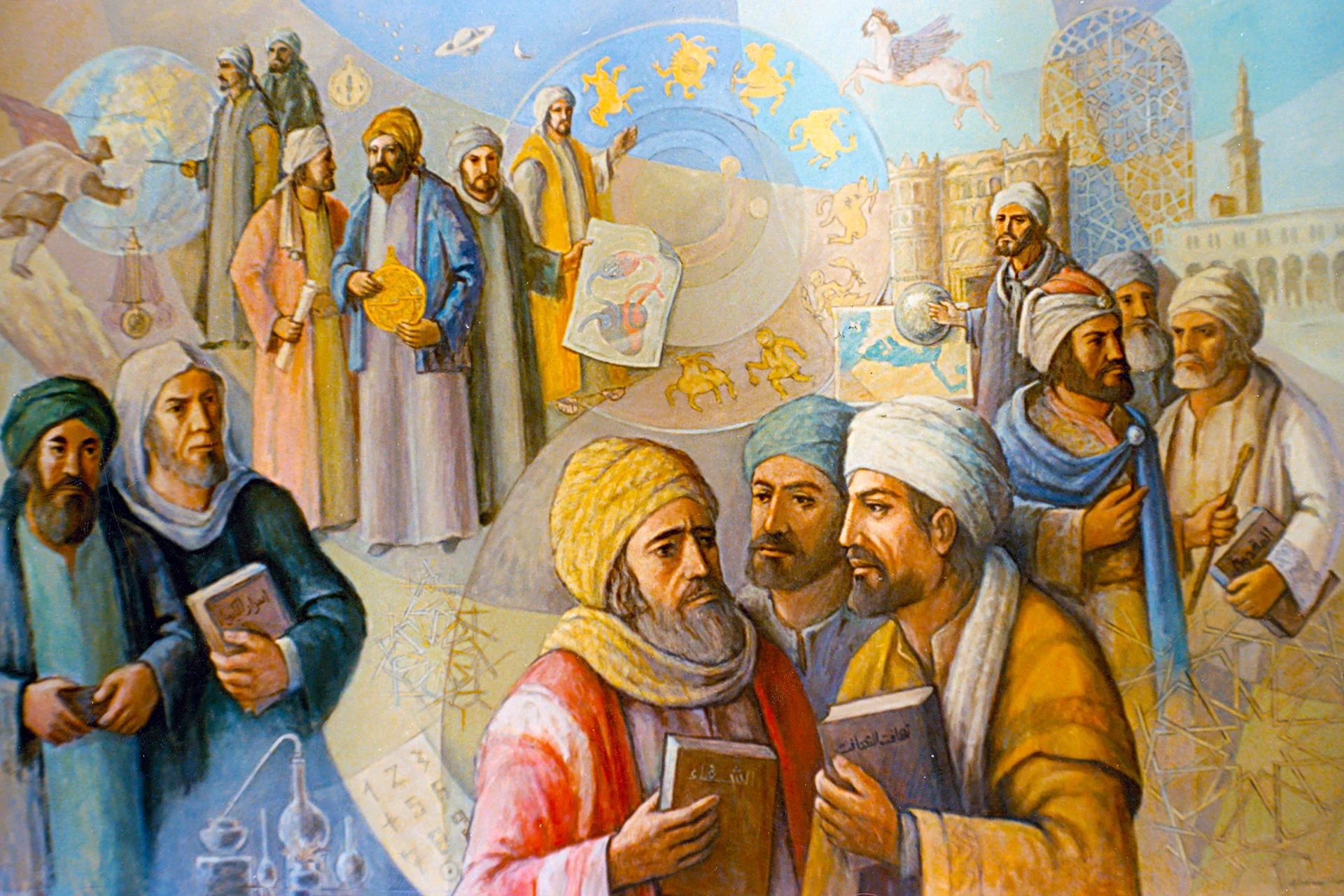
The Golden Age of Islam

During the Middle Ages, the Islamic world experienced a golden age of art and culture, with gold playing a central role in the decoration of palaces, mosques, and books. The use of gold in Islamic art was not just about ostentation but also about the creation of beautiful patterns and calligraphy that reflected the divine order. The Alhambra in Spain and the Topkapi Palace in Istanbul are prime examples of the use of gold in Islamic architecture and decoration.

Gold in Medieval and Renaissance Europe

In Europe, the Middle Ages saw the rise of goldsmithing as a respected craft, with gold being used to create religious objects, jewelry, and illuminated manuscripts. The use of gold leaf in manuscripts, such as the Book of Kells, added a sense of sacredness to the texts.

The Renaissance brought a renewed interest in classical art and a new emphasis on the use of gold in painting and sculpture. Artists like Botticelli and Titian used gold leaf to highlight the halos of saints and the crowns of kings, while sculptors like Cellini created intricate gold works that were as much about technical virtuosity as they were about beauty.

Gold in the Modern World

In the modern era, gold has continued to be a symbol of wealth and status, but its use in art has evolved. Artists like Gustav Klimt and Andy Warhol have incorporated gold into their work, using it to comment on society and the human condition. Klimt’s “The Kiss” and Warhol’s “Gold Marilyn Monroe” are iconic examples of how gold can be used to evoke emotion and convey meaning in contemporary art.

Conclusion

The splendor of gold in art and culture is a testament to its enduring appeal. From the ancient pharaohs to contemporary artists, gold has been a medium of expression, a symbol of power, and a source of beauty. As we continue to explore the possibilities of this precious metal, we are reminded of its timeless allure and its central place in the human imagination.