
Witchetty Grubs: A Traditional Aboriginal Delicacy

88themovie.com – Witchetty grubs are a traditional food source for Aboriginal Australians, known for their unique taste and nutritional benefits. Often eaten raw or lightly cooked, these large, white larvae are an integral part of Indigenous Australian cuisine and culture. In this article, we will delve into the origins, preparation, nutritional value, and cultural significance of witchetty grubs.

Origins of Witchetty Grubs

Witchetty grubs are the larvae of several moth species, most commonly the cossid moth, found in the roots of witchetty bushes and other native Australian plants. For thousands of years, they have been a staple in the diet of Indigenous Australians, particularly in central Australia. The word “witchetty” is derived from the Adynyamathanha language, where “wityu” means “hooked stick,” referring to the tool used to extract the grubs from their burrows.

Preparation and Consumption

Witchetty grubs can be consumed raw or cooked, each method offering a different taste experience. When eaten raw, the grubs have a creamy texture and a nutty flavor reminiscent of almonds. Cooking the grubs over hot coals or lightly frying them gives them a crispy skin while maintaining a soft interior, similar to scrambled eggs or chicken. The versatility of witchetty grubs allows them to be incorporated into various dishes or enjoyed on their own as a nutritious snack.

Nutritional Value

Witchetty grubs are highly nutritious, providing a rich source of protein, healthy fats, and essential vitamins and minerals. They are particularly high in protein, making them an excellent source of sustenance in the harsh Australian outback. The grubs also contain beneficial unsaturated fats, contributing to heart health. Their nutritional profile makes them an important food source for Indigenous communities, especially in areas where other resources may be scarce.

Cultural Significance

For Aboriginal Australians, witchetty grubs are more than just a food source; they hold cultural and spiritual significance. The practice of gathering and preparing grubs is often passed down through generations, serving as a way to teach younger members of the community about traditional knowledge and survival skills. Witchetty grubs are also featured in Aboriginal art and storytelling, symbolizing the deep connection between the people and their land.

Conclusion

Witchetty grubs are a testament to the resourcefulness and ingenuity of Indigenous Australians, who have long relied on native foods to sustain themselves in challenging environments. Their unique taste, nutritional benefits, and cultural importance make them a fascinating subject of study and appreciation. As interest in traditional and sustainable foods grows, witchetty grubs continue to intrigue and inspire those seeking to understand and honor Indigenous Australian heritage.
Otak-Otak: A Savory Grilled Fish Cake Delicacy

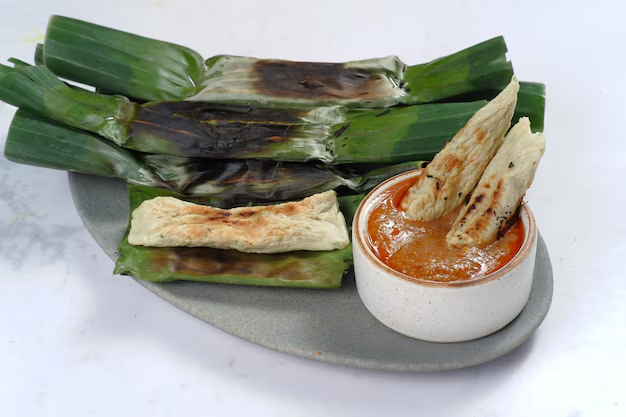
88themovie.com – Otak-Otak is a delightful culinary creation that hails from Southeast Asia, particularly popular in countries like Malaysia, Indonesia, and Singapore. This savory fish cake is renowned for its aromatic spices and unique preparation method, making it a must-try dish for food enthusiasts. Let’s dive into the intricacies of Otak-Otak and what makes it so special.

The Core of Otak-Otak: Ground Fish Meat

At the heart of Otak-Otak is its primary ingredient: ground fish meat. Typically made from mackerel, the fish is finely minced to create a smooth paste. This forms the base of Otak-Otak, providing a delicate and tender texture that is both satisfying and flavorful.

A Symphony of Spices and Aromatics

What sets Otak-Otak apart is the blend of spices and aromatics mixed into the fish paste. Ingredients such as lemongrass, turmeric, chili, and galangal are commonly used to infuse the mixture with their distinct flavors. Coconut milk is often added to give the fish cake a rich and creamy consistency, enhancing the overall taste.

The Art of Grilling

Otak-Otak is traditionally wrapped in banana leaves before being grilled to perfection. The banana leaves impart a subtle smoky aroma and keep the fish cake moist during cooking. The grilling process not only enhances the flavors but also gives Otak-Otak its characteristic charred exterior, which contrasts beautifully with its soft interior.

Variations and Regional Specialties

While the basic concept of Otak-Otak remains consistent, regional variations offer unique twists. In Malaysia, for example, the dish might be spicier and include additional herbs. In Indonesia, Otak-Otak can be made with different types of fish and may have a slightly different spice blend. These variations reflect the diverse culinary traditions of the region.

A Cultural and Culinary Treasure

Otak-Otak is more than just a dish; it is a cultural treasure that showcases the rich heritage of Southeast Asian cuisine. Often enjoyed as a snack or appetizer, it is a popular choice at street food markets and festive gatherings. Its enticing aroma and bold flavors make it a favorite among locals and visitors alike.

In conclusion, Otak-Otak is a testament to the ingenuity and diversity of Southeast Asian cooking. Its harmonious blend of fish, spices, and traditional grilling techniques creates a dish that is both exotic and comforting. Whether you’re exploring the vibrant street food scene or dining in a local restaurant, Otak-Otak promises a memorable culinary experience.

Çiğ Köfte: A Flavorful Turkish Delicacy

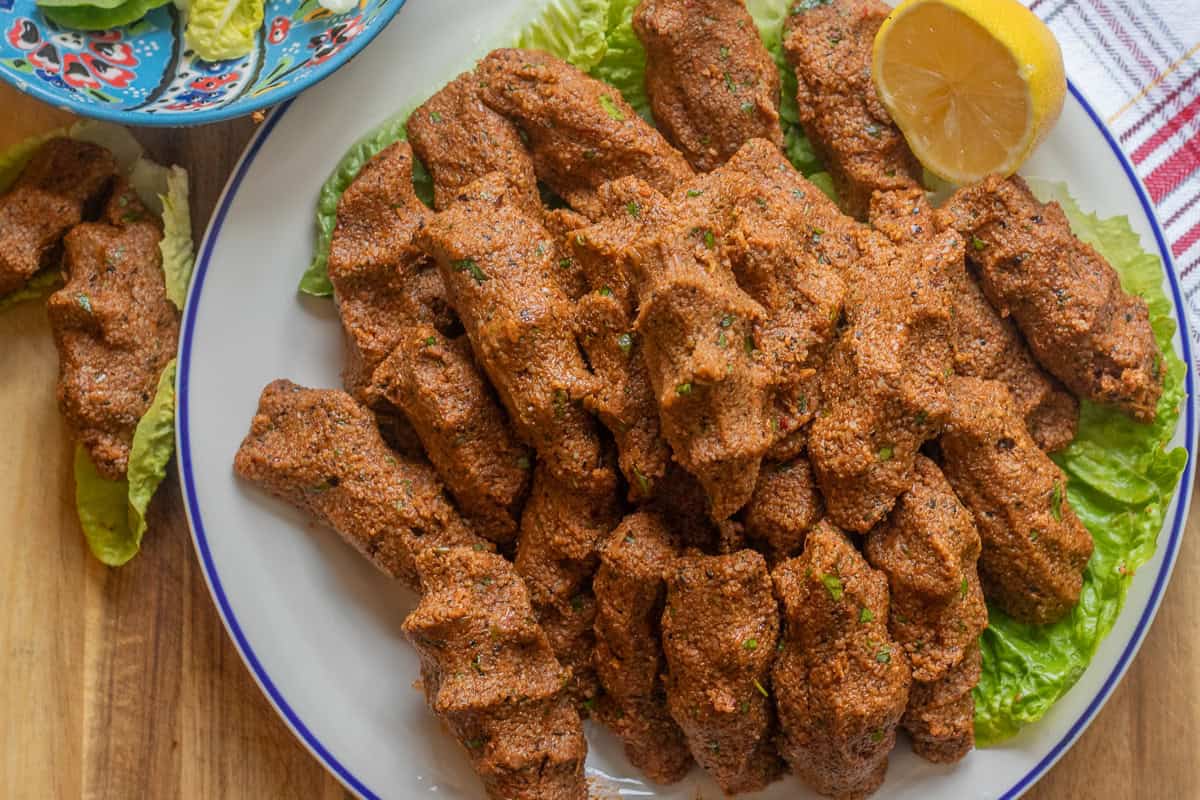
88themovie.com – Çiğ Köfte is a traditional Turkish dish known for its unique combination of raw ingredients and bold, spicy flavors. Once made with raw meat, modern versions of Çiğ Köfte primarily use bulgur wheat and a rich blend of spices and herbs. This dish is a popular appetizer and a beloved street food, offering a taste of Turkey’s vibrant culinary heritage.

The Unique Preparation of Çiğ Köfte

Traditionally, Çiğ Köfte was prepared with raw minced meat, usually beef or lamb, mixed with fine bulgur, a variety of spices, and fresh herbs. The mixture was kneaded by hand until it achieved a smooth texture, allowing the flavors to meld together. Today, due to health concerns, many versions are made without meat, relying instead on the bulgur and spices to deliver the dish’s characteristic taste.

A Symphony of Flavors

What sets Çiğ Köfte apart is its bold and spicy flavor profile. The dish typically includes ingredients such as red pepper paste, tomato paste, onion, garlic, and a mix of spices like cumin, paprika, and black pepper. Fresh herbs such as parsley and mint are added to enhance the freshness and complexity of the dish. This combination creates a vibrant and aromatic experience that is both satisfying and invigorating.

Serving and Enjoying Çiğ Köfte

Çiğ Köfte is often served as an appetizer or snack, accompanied by fresh lettuce leaves, lemon wedges, and sometimes thin flatbreads. The lettuce is used to wrap small portions of the mixture, and the lemon juice adds a refreshing tang that balances the spiciness of the dish. It is a popular choice at gatherings and celebrations, where its bold flavors make it a crowd favorite.

A Cultural Staple

Çiğ Köfte holds a special place in Turkish culture, with its roots tracing back to ancient Anatolia. It is not just a dish but a symbol of hospitality and tradition. Its popularity has spread beyond Turkey’s borders, finding a place on tables across the Middle East and Europe, where it continues to delight those who appreciate its unique taste.

In conclusion, Çiğ Köfte is a testament to the rich culinary traditions of Turkey, offering a flavorful and spicy experience that captures the essence of its cultural heritage. Whether enjoyed as a street food or a special dish at home, Çiğ Köfte provides a delightful journey into the world of Turkish cuisine.