The History and Evolution of NASA

88themovie.com – NASA, the National Aeronautics and Space Administration, has been at the forefront of space exploration and scientific discovery since its inception in 1958. Founded in response to early Soviet space achievements, NASA has pushed the boundaries of scientific and technical limits to explore the unknown for all the citizens of our planet. This article delves into the history and evolution of NASA, highlighting its significant milestones and contributions to human spaceflight, science, technology, and aeronautics.

Founding and Early Years

NASA was established on July 29, 1958, when President Dwight D. Eisenhower signed the National Aeronautics and Space Act. The agency officially opened for business on October 1, 1958, based on the National Advisory Committee for Aeronautics (NACA). NASA’s first satellite, Pioneer 1, was launched on October 11, 1958, marking the beginning of its space exploration endeavors.

Pioneering Human Spaceflight Programs

Project Mercury

NASA’s first human spaceflight program, Project Mercury, was announced in 1959. The Mercury 7 astronauts were the first Americans to venture into space, with Alan Shepard making the first suborbital flight on May 5, 1961.

Project Gemini

Following Project Mercury, NASA launched Project Gemini from 1961 to 1966. This program aimed to develop techniques for advanced space travel, including rendezvous and docking of spacecraft, and long-duration space missions.

The Apollo Program

The Apollo program, initiated in response to President Kennedy’s challenge to land a man on the Moon by the end of the 1960s, achieved its goal on July 20, 1969, with the Apollo 11 mission. Astronauts Neil Armstrong and Buzz Aldrin became the first humans to walk on the lunar surface.

Space Stations and International Cooperation

Skylab

Launched in 1973, Skylab was America’s first space station. It was visited by three crews and made significant advancements in space science.

Apollo-Soyuz Test Project

In 1975, the Apollo-Soyuz Test Project marked the first joint space flight between the United States and the Soviet Union, symbolizing a new era of international cooperation in space.

The Space Shuttle Program

From 1981 to 2011, the Space Shuttle Program conducted 135 missions, performing research and delivering crew and cargo to and from low-Earth orbit. The program also included the Shuttle-Mir Program, which prepared the way for the International Space Station (ISS).

The International Space Station

Launched in 1998, the ISS is a collaborative project involving multiple nations. It has been continuously occupied since November 2000, serving as a microgravity and space environment research laboratory.

Robotic Exploration and Scientific Missions

NASA has also been at the forefront of robotic exploration, sending numerous missions to study our solar system and beyond. Notable missions include:

  • Voyager 1 and 2: Launched in 1977, these spacecraft provided the first close-up views of the outer planets and continue to explore interstellar space.
  • Cassini: This mission, active from 1997 to 2017, provided unprecedented data on Saturn and its moons.
  • Mars Pathfinder and Sojourner: In 1997, the Mars Pathfinder lander and Sojourner rover made the first successful landing on Mars.

Technological and Scientific Achievements

NASA’s contributions extend beyond space exploration. The agency has made significant advancements in aeronautics, developing technologies that have improved aircraft performance, safety, and efficiency. Additionally, NASA’s Earth observation programs, such as the Landsat series, have provided invaluable data for environmental monitoring and climate research.

Conclusion

NASA’s history is a testament to human ingenuity and the relentless pursuit of knowledge. From the early days of Project Mercury to the ongoing exploration of Mars and beyond, NASA has played a pivotal role in expanding our understanding of the universe. As the agency continues to push the boundaries of space exploration, it remains a beacon of inspiration and innovation for future generations.

The Evolution and Impact of Airplanes

88themovie.com – The history of airplanes is a fascinating journey that began with the dream of flight. From the early experiments of pioneers like Leonardo da Vinci and the Wright brothers to the sophisticated aircraft of today, the evolution of airplanes has transformed the way we travel, conduct business, and even wage war.

The Wright Brothers and the Birth of Aviation

The Wright brothers, Orville and Wilbur, are credited with the invention of the first successful airplane. On December 17, 1903, they achieved the first powered, sustained, and controlled flight at Kitty Hawk, North Carolina. Their Flyer was a breakthrough in aviation technology, combining a lightweight engine with three-axis control.

Advancements in Airplane Design and Technology

Over the decades, airplane design and technology have seen remarkable advancements. The introduction of jet engines in the 1940s revolutionized air travel, making it faster and more efficient. The Boeing 707, introduced in the late 1950s, was one of the first successful commercial jet airliners, marking the beginning of the jet age.

The Impact of Airplanes on Society

Airplanes have had a profound impact on society, shrinking the world and making global travel accessible to millions. The aviation industry has become a significant economic sector, contributing to job creation and international trade.

Environmental Concerns and the Future of Airplanes

As the demand for air travel continues to grow, so does the environmental impact of airplanes. The industry is now focusing on developing more fuel-efficient aircraft and exploring alternative fuels to reduce carbon emissions. The future of airplanes may also include electric and hybrid propulsion systems, as well as advancements in aerodynamics to further reduce fuel consumption.

Conclusion

The evolution of airplanes is a testament to human ingenuity and the relentless pursuit of progress. From the early days of aviation to the sophisticated aircraft of today, airplanes have changed the world in countless ways. As we look to the future, the aviation industry faces new challenges, but with innovation and commitment, it will continue to soar to new heights.

Evolution of Sea Games: Local Festivals, International Events

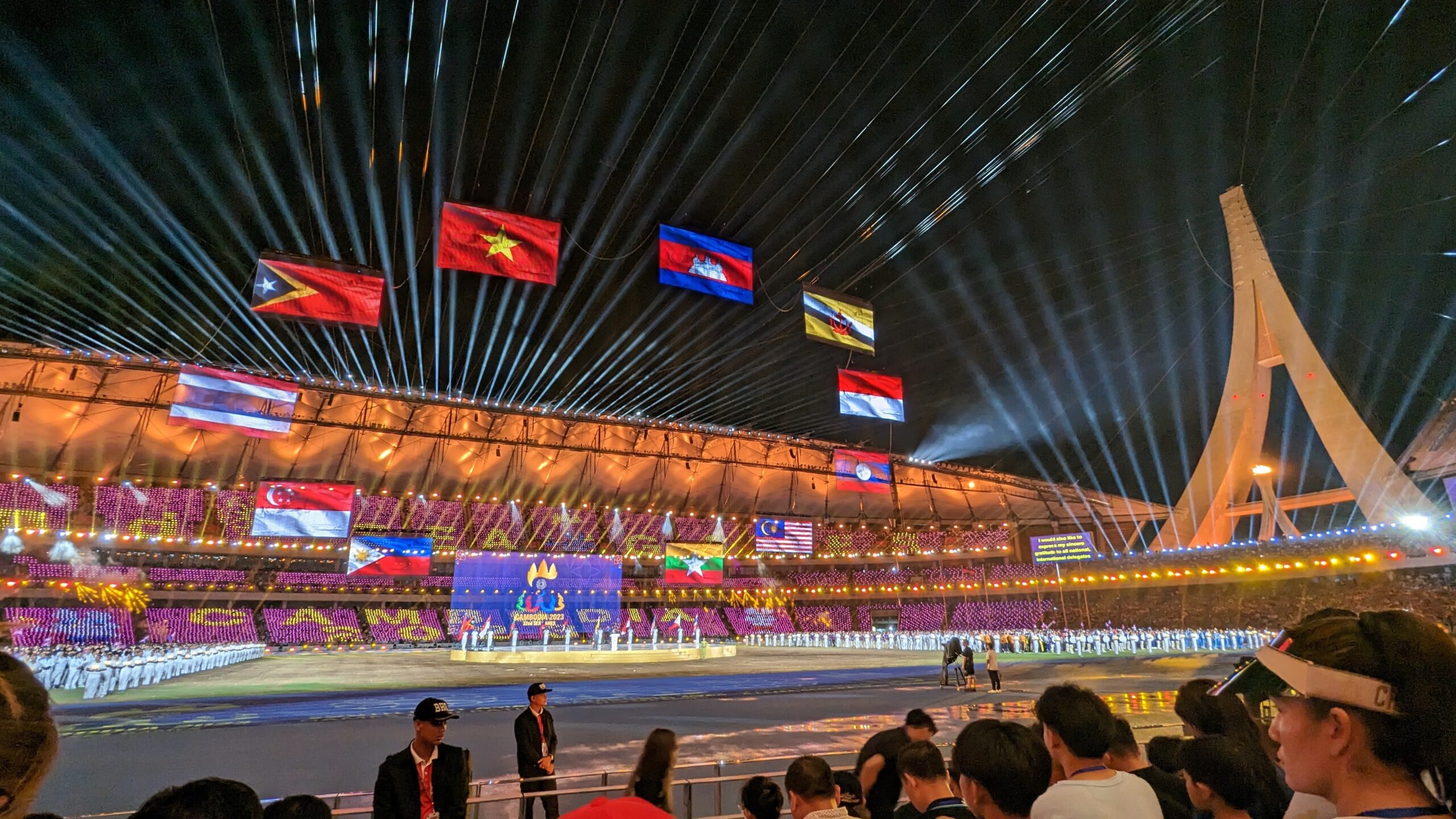
88themovie.com – The Sea Games, also known as the Southeast Asian Games, have evolved significantly since their inception in the mid-20th century. Originally conceived as a platform for fostering goodwill and sportsmanship among neighboring countries, these games have grown into a major international event that captures the attention of millions. This article traces the journey of the Sea Games from their humble beginnings as local festivals to their current status as a significant international sporting event.

The Early Years: A Vision for Unity

The first Sea Games were held in 1959 in Bangkok, Thailand. The event was a modest affair, with only six nations participating: Thailand, Burma (now Myanmar), Laos, Cambodia, Vietnam, and Malaysia. The primary goal was to promote regional peace and solidarity through sports. The early games were characterized by a spirit of camaraderie and a focus on traditional Southeast Asian sports, such as sepak takraw and pencak silat.

Expansion and Diversification

As the years progressed, the Sea Games began to attract more participants and incorporate a wider range of sports. By the 1970s, the games had expanded to include more countries from the Southeast Asian region, and the number of sports had grown to include traditional and modern events. The inclusion of popular international sports like swimming, athletics, and football helped to raise the profile of the Sea Games on the global stage.

The Rise of Professionalism

The 1990s marked a turning point for the Sea Games, as the event began to embrace a more professional approach. This era saw improvements in organization, infrastructure, and media coverage. The games started to attract top athletes from the region, many of whom were competing on the international circuit. The introduction of rigorous drug testing and the adoption of international sporting standards further professionalized the event.

International Recognition and Growth

In the 21st century, the Sea Games have become a key event on the international sporting calendar. The games now feature over 40 sports and attract thousands of athletes from across Southeast Asia. The event has also gained recognition from international sporting bodies, with many athletes using the Sea Games as a stepping stone to compete in the Olympics and other major international competitions.

The Role of Technology and Media

Technological advancements have played a crucial role in the evolution of the Sea Games. Live broadcasting, social media, and digital platforms have enabled the games to reach a global audience. This has not only increased the visibility of the event but also provided athletes with a platform to gain international recognition.

Challenges and Controversies

Despite their success, the Sea Games have not been without challenges. Issues such as financial strain on host countries, doping scandals, and political tensions have occasionally overshadowed the event. However, the organizing committees have continually worked to address these issues and ensure the integrity and success of the games.

Conclusion

The evolution of the Sea Games from local festivals to international events is a testament to the enduring spirit of sportsmanship and unity in Southeast Asia. Through a combination of tradition, innovation, and professionalism, the Sea Games have become a symbol of regional pride and a showcase for the talents of Southeast Asian athletes. As the games continue to grow, they will undoubtedly play an even more significant role in the international sporting landscape.

The Evolution of Factory Technology: Steel and Silicon

88themovie.com – The industrial landscape has undergone a transformative journey, from the clanging of steel in the smokestack factories of the Industrial Revolution to the silent hum of silicon in today’s high-tech manufacturing plants. This evolution of factory technology is a testament to human ingenuity and the relentless pursuit of efficiency, productivity, and innovation. In this article, we will explore the symbiotic relationship between steel and silicon, and how their integration has shaped the modern factory.

The Age of Steel:
The Industrial Revolution, marked by the widespread use of steam power and the mechanization of manual processes, brought about a significant shift in manufacturing. Steel, with its strength and versatility, became the backbone of industrial infrastructure. Factories were constructed with steel beams and machines were built with steel components, enabling mass production and laying the groundwork for the modern economy.

The Steel Factory:
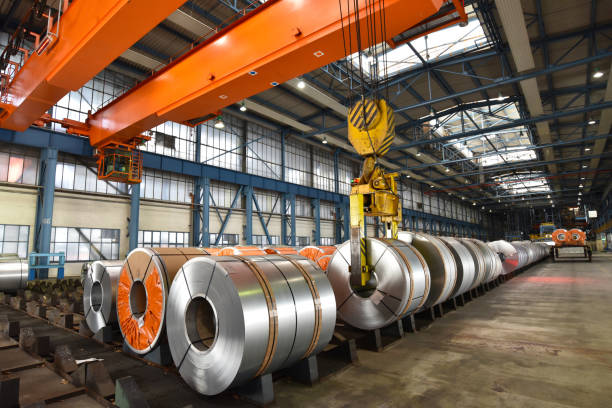
During the height of the Industrial Age, factories were massive, imposing structures, often belching smoke into the sky. They were the heart of urban centers, employing thousands of workers who toiled on assembly lines, operating heavy machinery, and handling raw materials. Steel was the material of choice for its durability and ability to withstand the rigors of industrial processes.

The Silicon Revolution:
The latter half of the 20th century witnessed the dawn of the Silicon Age, driven by the invention of the transistor and the subsequent development of integrated circuits. Silicon, a semiconductor material, became the cornerstone of the electronics industry, leading to the digital revolution. Computers, once room-sized behemoths, shrank in size and cost, becoming indispensable tools in factories.

The Digital Factory:
As silicon-based technology advanced, factories began to integrate computers into their operations. Automation and robotics, powered by microprocessors, started to take over repetitive and dangerous tasks, increasing production speeds and reducing errors. The digital factory emerged, characterized by computer-aided design (CAD), computer-aided manufacturing (CAM), and enterprise resource planning (ERP) systems.

The Marriage of Steel and Silicon:
The modern factory is a fusion of steel and silicon, where the physical strength of steel structures supports the intellectual capabilities of silicon-based systems. Robotic arms, made of steel but controlled by silicon chips, perform precise tasks with speed and accuracy. Steel conveyor belts are monitored by silicon sensors, ensuring smooth operation and immediate detection of anomalies.

The Role of Steel in Modern Manufacturing:
Despite the rise of silicon, steel remains a critical material in manufacturing. It is used in the construction of factory buildings, the fabrication of machinery, and the creation of durable goods. Steel’s properties, such as high tensile strength and resistance to deformation, make it an ideal choice for many industrial applications.

The Future of Factory Technology:
The future of factory technology is likely to see an even deeper integration of steel and silicon. The advent of Industry 4.0, or the fourth industrial revolution, is bringing about smart factories where steel machines are not only automated but also interconnected through the Internet of Things (IoT). Silicon-based artificial intelligence (AI) and machine learning algorithms are optimizing production processes, predicting maintenance needs, and enhancing supply chain management.

Conclusion:
The evolution of factory technology from steel to silicon has been a journey of innovation and adaptation. Steel provided the foundation for industrial expansion, while silicon has unlocked the potential for digital transformation. As we look to the future, the synergy between these two materials will continue to drive progress, efficiency, and sustainability in manufacturing. The modern factory stands as a monument to human achievement, a place where steel and silicon work in concert to shape the products and processes that define our era.