
Boomers and Education: Lifelong Learning and Growth

88themovie.com – The concept of lifelong learning has become increasingly important for the Baby Boomer generation, born between 1946 and 1964. As they navigate retirement and adapt to a rapidly changing world, many Boomers are turning to education as a means of personal growth, skill development, and staying connected with society. This article explores the significance of lifelong learning for Boomers, the opportunities available, and the benefits it brings to both individuals and communities.

The Importance of Lifelong Learning

Adapting to Change

In today’s fast-paced world, technological advancements and evolving job markets require continuous learning and adaptation. For Boomers, lifelong learning offers the opportunity to keep skills relevant, whether for personal interests or professional endeavors. This adaptability is crucial as many Boomers choose to work longer, transition to new careers, or engage in entrepreneurship.

Personal Fulfillment

Education is a powerful tool for personal fulfillment and intellectual stimulation. Many Boomers pursue learning for the sheer joy of acquiring new knowledge, exploring hobbies, or delving into subjects they were passionate about but never had the chance to study previously. This pursuit can lead to a richer, more satisfying life experience.

Opportunities for Lifelong Learning

Online Courses and Programs

The rise of digital technology has made learning more accessible than ever. Online courses and programs offered by universities, community colleges, and platforms like Coursera and edX provide Boomers with the flexibility to learn at their own pace and on their own schedule. These courses cover a wide range of topics, from computer skills and languages to art and history.

Community Education and Workshops

Local community centers and libraries often offer workshops and classes tailored to Boomers. These programs provide opportunities to learn new skills, such as cooking, painting, or photography, while fostering social connections with peers who share similar interests.

Volunteering and Mentorship

Volunteering and mentorship programs offer Boomers the chance to learn while giving back to their communities. These experiences can enhance communication, leadership, and organizational skills, while also providing a sense of purpose and community engagement.

Benefits of Lifelong Learning

Cognitive Health

Engaging in lifelong learning has been shown to support cognitive health and reduce the risk of cognitive decline. Mental stimulation through learning helps keep the brain active and may contribute to improved memory and problem-solving skills.

Social Connections

Participating in educational activities often leads to the formation of new friendships and social networks. These connections are essential for emotional well-being and can help combat feelings of loneliness and isolation that some Boomers experience as they age.

Enhanced Quality of Life

Overall, lifelong learning contributes to an enhanced quality of life by providing Boomers with opportunities for growth, enrichment, and meaningful engagement. It empowers them to continue contributing to society and lead fulfilling, purposeful lives.

Conclusion

For Boomers, lifelong learning is a pathway to personal growth, adaptability, and community engagement. By embracing educational opportunities, Boomers can enhance their cognitive health, build social connections, and enrich their lives in retirement and beyond. As they continue to learn and grow, Boomers set an inspiring example of how education can be a lifelong journey.
Navigating the Digital Learning Revolution: The Future of Schooling

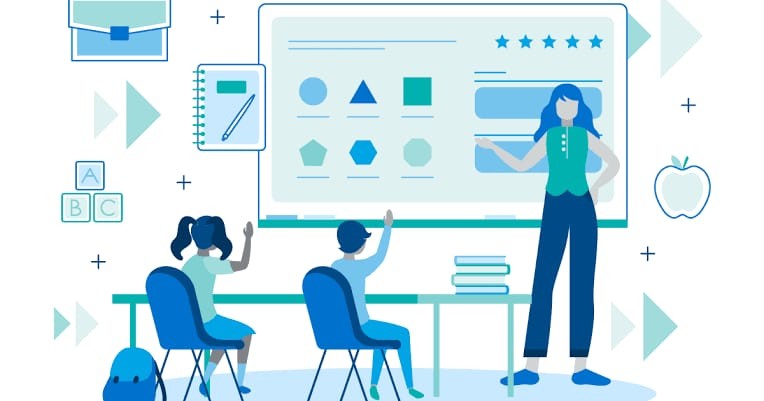
The landscape of education is undergoing a seismic shift, propelled by advancements in technology and the imperatives of a global pandemic. The traditional model of schooling, with its brick-and-mortar classrooms and chalkboard lessons, is being reimagined in the digital realm. Virtual classrooms are no longer a futuristic concept but a present reality, heralding a new era in education. This article explores the future of schooling, examining the transformative potential of virtual classrooms and the broader digital learning revolution.

The Dawn of Virtual Classrooms:
Virtual classrooms, powered by the internet and a suite of digital tools, have emerged as a viable alternative to physical classrooms. They leverage video conferencing, interactive whiteboards, and collaborative platforms to recreate the educational experience online. This shift has not only expanded the reach of education to remote corners of the world but has also introduced new pedagogical approaches that emphasize active learning, personalized instruction, and multimedia content.

The Digital Learning Revolution:
The digital learning revolution is not just about moving classrooms online; it’s about rethinking the entire educational paradigm. It involves the integration of artificial intelligence (AI) to personalize learning experiences, the use of virtual reality (VR) and augmented reality (AR) to create immersive learning environments, and the adoption of big data analytics to inform teaching strategies. This revolution is democratizing education, making it more accessible, flexible, and tailored to the needs of individual learners.

Challenges and Opportunities:
The transition to virtual classrooms and digital learning is not without its challenges. Issues such as the digital divide, which leaves many students without adequate access to technology and the internet, and the need for teacher training in digital pedagogy, are significant hurdles. However, these challenges also present opportunities for innovation and collaboration. Public-private partnerships, community initiatives, and global cooperation can help bridge the digital divide, while professional development programs can equip educators with the skills needed to thrive in a digital classroom.

The Role of Educators in the Digital Age:
As schools navigate this digital transformation, the role of educators is evolving. Teachers are becoming facilitators of learning rather than mere conveyors of knowledge. They must be adept at using technology to engage students, assess learning in real-time, and provide personalized feedback. The future of schooling will require educators who are not only subject matter experts but also digital literacy mentors and empathetic guides through the complexities of online learning.

Conclusion:
The future of schooling is digital, interactive, and personalized. Virtual classrooms and the digital learning revolution are reshaping the educational landscape, offering unprecedented opportunities to enhance learning experiences and outcomes. While challenges remain, the potential for innovation and improvement is vast. As we move forward, it is crucial that we embrace the digital transformation of education, ensuring that it serves the diverse needs of all learners and prepares them for a future that is increasingly digital. The journey ahead is one of collaboration, adaptation, and continuous learning—for students, educators, and society as a whole.