The Colossal Squid: A Deep-Sea Leviathan

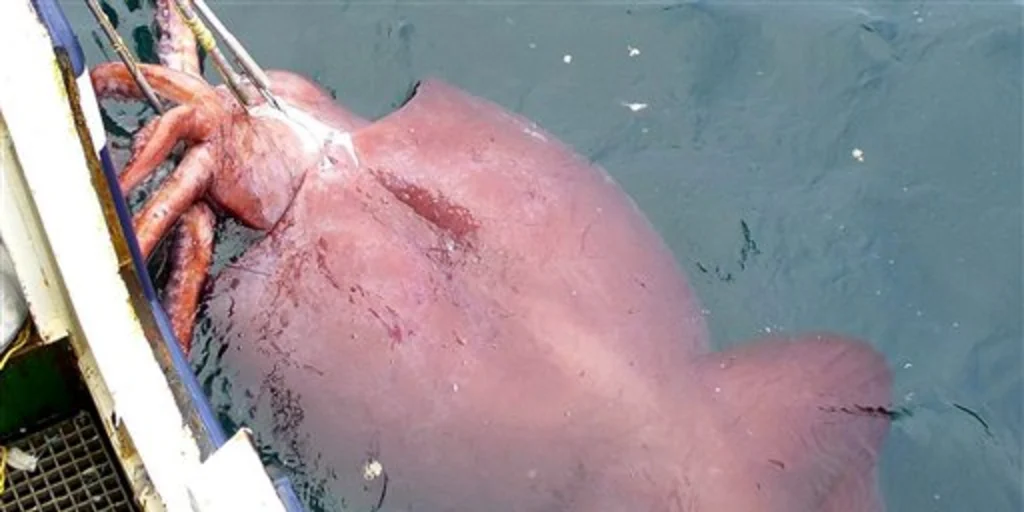
88themovie.com – The depths of the ocean hold many mysteries, but few creatures are as enigmatic and awe-inspiring as the colossal squid. This elusive giant of the deep has captivated the imaginations of scientists and the public alike, thanks to its enormous size and formidable appearance.   

A Glimpse into the Abyss

Colossal squids, scientifically known as Mesonychoteuthis hamiltoni, are one of the largest known invertebrates on Earth. While their exact size can vary, they are estimated to reach a mantle length of up to 2.5 meters (8.2 feet) and a total length of 14 meters (46 feet), including tentacles. This makes them significantly larger than their more famous relative, the giant squid.   

A Fearsome Predator

Colossal squids are apex predators, meaning they sit at the top of the marine food chain. Their diet likely consists of fish, other squid species, and even other colossal squids. They are equipped with powerful beaks and sharp, rotating hooks on their tentacles, which they use to capture and subdue their prey.   

The Battle of the Giants

One of the most intriguing aspects of colossal squid biology is their relationship with sperm whales. These two marine giants are often locked in a deadly battle for survival. The colossal squid’s powerful beak can inflict serious injuries on a sperm whale, while the sperm whale’s massive jaws can crush a colossal squid. The scars found on sperm whales are often attributed to the attacks of colossal squids, further fueling the legend of these deep-sea titans.   

A Rare Encounter

Despite their enormous size, colossal squids remain elusive creatures. Their deep-sea habitat makes them difficult to study, and only a handful of specimens have been recovered. In 2007, a colossal squid was caught off the coast of Antarctica, marking a significant milestone in our understanding of this species. This specimen is now on display at the Te Papa Tongarewa museum in Wellington, New Zealand.   

The Future of Colossal Squid Research

As technology advances, scientists are developing new tools to explore the depths of the ocean and uncover the secrets of the colossal squid. Remotely operated vehicles (ROVs) equipped with high-definition cameras are allowing researchers to observe these creatures in their natural habitat. By studying the behavior, ecology, and physiology of colossal squids, scientists hope to gain a better understanding of these magnificent creatures and their role in the marine ecosystem.

Conclusion

The colossal squid is a true marvel of nature, a testament to the incredible diversity of life in the ocean. Its enormous size, fearsome appearance, and mysterious lifestyle continue to fascinate and inspire. As we delve deeper into the ocean’s depths, we may uncover even more secrets about this elusive giant and its place in the marine world.

Festa de Iemanjá: A Tribute to the Sea Goddess

88themovie.com – Festa de Iemanjá is a significant religious and cultural festival celebrated annually in Brazil, particularly in the coastal cities of Salvador, Rio de Janeiro, and Recife. This vibrant event honors Iemanjá, the Afro-Brazilian goddess of the sea, and is a fusion of African, Indigenous, and Catholic beliefs.

The Significance of Iemanjá

Iemanjá, often depicted as a beautiful woman adorned with seashells and pearls, is revered as the mother of all living things. She is associated with the sea, fertility, and motherhood. Devotees believe that Iemanjá has the power to grant wishes, protect sailors, and heal the sick.

The Rituals of Festa de Iemanjá

The festival typically takes place on February 2, the day of Our Lady of Candelaria, a Catholic saint often associated with Iemanjá. On this day, devotees gather on the beaches to offer prayers, gifts, and flowers to the sea goddess.

  • Floral Offerings: One of the most iconic rituals of Festa de Iemanjá is the offering of flowers to the sea. Devotees create elaborate floral arrangements, often in the shape of boats or other symbolic objects. These offerings are then placed on the water, carrying prayers and wishes to Iemanjá.
  • Musical Performances: The festival is accompanied by vibrant music and dance performances. The rhythms of samba, a popular Brazilian music genre, fill the air, creating a festive atmosphere.
  • Religious Ceremonies: Religious ceremonies, including prayers and chants, are held to honor Iemanjá. Devotees seek blessings and protection from the goddess.
  • Feasting and Celebration: The festival is also a time for feasting and celebration. People gather to enjoy traditional Brazilian dishes, such as feijoada, a hearty bean stew, and caipirinhas, a popular cocktail.

The Cultural Significance of Festa de Iemanjá

Festa de Iemanjá is more than just a religious celebration; it is a cultural expression that reflects the rich history and diversity of Brazil. The festival highlights the syncretism of African and Catholic beliefs, which has shaped Brazilian culture for centuries.

By honoring Iemanjá, Brazilians pay homage to their African roots and celebrate the enduring power of nature. The festival serves as a reminder of the importance of preserving cultural heritage and respecting the natural world.

Sun, Sea, and Secrets: The Algarve

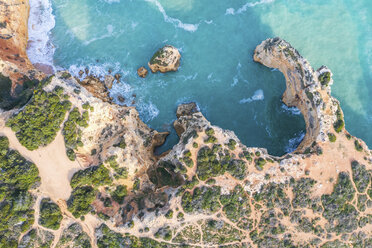
88themovie.com – Nestled along the southern coast of Portugal, the Algarve is a region renowned for its stunning landscapes, vibrant culture, and a climate that beckons sun-seekers from around the globe. With its rugged cliffs, golden sands, and the ever-present azure sea, the Algarve is more than just a holiday destination; it’s a place where the sun kisses the earth, and the sea whispers ancient secrets.

The Allure of the Algarve’s Sun

The Algarve’s sun is a beacon for those seeking respite from the colder climes. With over 300 days of sunshine a year, it’s no wonder that the region is a favorite among tourists and expatriates alike. The sun here is not just a source of light but a life-giver, nurturing the land and its people, and offering an endless invitation to bask in its warmth.

The Beauty of the Algarve’s Sea

The sea in the Algarve is more than just a body of water; it’s a playground, a muse, and a provider. The region’s coastline is dotted with some of the most beautiful beaches in Europe, each offering its unique charm. From the family-friendly Praia da Rocha to the secluded coves accessible only by boat, the Algarve’s sea is a treasure trove of natural beauty.

The Secrets of the Algarve

Beyond the sun and sea, the Algarve holds secrets that only the curious can uncover. These secrets are hidden in the winding streets of its historic towns, in the flavors of its cuisine, and in the stories passed down through generations.

Historic Towns

The Algarve’s historic towns are a testament to its rich history, blending Moorish and Portuguese influences. Towns like Silves, with its ancient castle, and Tavira, with its Roman bridge, offer a glimpse into the past, inviting visitors to wander and wonder.

Cuisine

The Algarve’s cuisine is a secret waiting to be savored. Fresh seafood, locally grown fruits and vegetables, and traditional dishes like cataplana (a seafood stew cooked in a copper pot) are a celebration of the region’s bounty. Each meal is an opportunity to discover the flavors that have been perfected over centuries.

Local Stories

The stories of the Algarve are its most guarded secrets, shared only with those who take the time to listen. From the legends of the sea to the tales of the land, the region’s history is alive in the words of its people. These stories are a window into the soul of the Algarve, revealing the depth of its character and the richness of its culture.

Conclusion

The Algarve is a region where the sun shines brightly, the sea beckons endlessly, and secrets are waiting to be discovered. It’s a place where every visit reveals something new, whether it’s the beauty of its landscapes, the richness of its culture, or the warmth of its people. The Algarve is not just a destination; it’s an experience that lingers long after the sun sets on the horizon.