Understanding “Propaganda”: A Comprehensive Exploration

88themovie.com – “Propaganda” is a multifaceted concept that plays a significant role in shaping public opinion and influencing societal norms. Often associated with political campaigns and media communication, propaganda is a powerful tool used to disseminate information, ideas, or rumors to influence the attitudes and behaviors of large groups of people. This article delves into the nature of propaganda, its historical context, techniques, and its impact on society.

What is Propaganda?

Propaganda is typically defined as information, especially biased or misleading, used to promote or publicize a particular political cause or point of view. Unlike straightforward communication, propaganda often involves emotional appeals, selective facts, and strategic messaging to achieve its objectives. It can be disseminated through various channels, including print, broadcast media, social media, and advertising.

Historical Context

The use of propaganda dates back to ancient civilizations, where leaders used symbols and rhetoric to unify people and consolidate power. However, the term “propaganda” gained prominence during the 20th century, particularly during World War I and World War II. Governments employed propaganda to maintain morale, recruit soldiers, and demonize the enemy. The rise of mass media further amplified the reach and effectiveness of propaganda campaigns.

Techniques of Propaganda

Several techniques are commonly used in propaganda to influence public opinion:

Emotional Appeal

Propaganda often leverages emotions such as fear, patriotism, or hope to elicit a strong response. By appealing to emotions, propagandists can bypass rational analysis and encourage individuals to act instinctively.

Bandwagon

This technique encourages people to adopt a particular behavior or belief because “everyone else is doing it.” It creates a sense of urgency and conformity, making individuals feel compelled to join the majority.

Testimonial

Using endorsements from celebrities, experts, or respected figures, testimonial propaganda seeks to lend credibility to a message. The perceived authority of the endorser can sway public opinion in favor of the propagandist’s goals.

Glittering Generalities

This involves using vague, positive phrases that appeal to universal values and ideals, such as freedom, justice, or democracy. These statements are difficult to oppose and can rally support without providing specific details.

Impact on Society

Propaganda can have both positive and negative effects on society. On one hand, it can unify people and mobilize them toward a common goal, such as during wartime efforts or public health campaigns. On the other hand, propaganda can also spread misinformation, manipulate public perception, and undermine democratic processes.

The Role in Modern Media

In today’s digital age, the spread of propaganda has become more pervasive and sophisticated. Social media platforms allow for rapid dissemination and amplification of propaganda messages, often blurring the lines between legitimate information and manipulation. This raises concerns about the role of media literacy and critical thinking in combating propaganda’s influence.

Conclusion

Propaganda remains a powerful force in shaping public discourse and influencing societal attitudes. Understanding its mechanisms and recognizing its presence in everyday communication is crucial for individuals to navigate the complexities of modern media landscapes. By fostering critical thinking and media literacy, society can better discern truth from manipulation and make informed decisions.


A Global Celebration: Understanding New Year’s Day

88themovie.com – New Year’s Day, celebrated on January 1st each year, is a time of reflection, hope, and festivity that is observed globally. It marks the beginning of a new calendar year and is an occasion for people around the world to come together, celebrate, and look forward to the future with optimism. This article delves into the significance of New Year’s Day, its traditions, and how it is celebrated across different cultures.

The Significance of New Year’s Day

New Year’s Day holds great significance as it symbolizes a fresh start and a new beginning. It is a time when people take stock of the past year, set goals for the upcoming year, and make resolutions to improve their lives. The celebration of New Year’s Day is an ancient tradition that dates back thousands of years, with historical records indicating that ancient Babylonians celebrated the New Year in mid-March.

Global Celebrations

Western Traditions

In many Western countries, New Year’s Eve is celebrated with parties, fireworks, and countdowns to midnight. The dropping of the ball in Times Square, New York City, is one of the most famous New Year’s Eve traditions, watched by millions around the world. People often toast with champagne and kiss at the stroke of midnight to welcome the New Year.

Asian Celebrations

In Asia, New Year’s Day is celebrated with various traditions. For example, in Japan, people visit temples at midnight on New Year’s Eve to pray for health and happiness. In China, the Lunar New Year, which typically falls between late January and early February, is celebrated with more fanfare than the Gregorian New Year’s Day. It involves family reunions, feasts, and the giving of red envelopes containing money.

Other Cultural Traditions

Around the world, New Year’s Day is celebrated with a variety of customs. In Scotland, Hogmanay is a festival that lasts three days, featuring bonfires, street parties, and the singing of “Auld Lang Syne.” In Spain, it is traditional to eat 12 grapes at midnight, one for each month of the year, to bring good luck.

Themes of Hope and Renewal

At its core, New Year’s Day is a celebration of hope and renewal. It is a time to let go of the past, embrace change, and look forward to new opportunities. The widespread celebration of New Year’s Day across cultures underscores the universal desire for a better future and the importance of community and togetherness.

Conclusion

New Year’s Day is more than just the first day of the calendar year; it is a global celebration that embodies the human spirit’s resilience and optimism. Whether through fireworks, feasts, or family gatherings, the ways in which people celebrate New Year’s Day reflect their hopes, dreams, and collective aspirations for a brighter tomorrow. As we continue to navigate the complexities of our world, the universal appeal of New Year’s Day serves as a powerful reminder of our shared humanity and the enduring desire for peace, prosperity, and progress.

Understanding the Prison System: Crime and Confinement

88themovie.com – The prison system is a cornerstone of the criminal justice system, designed to house individuals convicted of crimes, protect society, and, ideally, rehabilitate offenders. However, the effectiveness and ethics of the prison system have been subjects of intense debate. This article aims to explore the complexities of the prison system, its purposes, challenges, and the ongoing discussions about reform and rehabilitation.

The Purpose of the Prison System:
Historically, the primary purpose of prisons was punishment, with conditions often brutal and focused on retribution. Over time, the goals have evolved to include deterrence, incapacitation, and rehabilitation. Deterrence aims to prevent future crimes by instilling fear of punishment. Incapacitation removes offenders from society, preventing them from committing further crimes. Rehabilitation, the most contentious goal, seeks to reform offenders, preparing them for reintegration into society.

Challenges within the Prison System:
The prison system faces numerous challenges that impact its effectiveness. Overcrowding is a significant issue, leading to poor living conditions, increased violence, and limited access to rehabilitation programs. The prevalence of mental health issues among inmates is another critical concern, with many prisons ill-equipped to provide necessary care. Additionally, the high rates of recidivism suggest that current approaches to rehabilitation may be insufficient.

The Role of Socioeconomic Factors:
Socioeconomic factors play a crucial role in the prison system. Poverty, lack of education, and systemic inequality contribute to the cycle of crime and incarceration. Minority communities are disproportionately affected by these factors, leading to higher incarceration rates and raising concerns about racial bias within the criminal justice system.

Reform and Rehabilitation Efforts:
Efforts to reform the prison system focus on reducing recidivism and improving conditions for inmates. Some reforms include the implementation of educational and vocational training programs, substance abuse treatment, and mental health services. Restorative justice programs aim to repair the harm caused by crime by facilitating dialogue between victims and offenders.

The Future of the Prison System:
The future of the prison system lies in a balance between punishment and rehabilitation. Innovative approaches, such as community-based corrections and the use of technology in monitoring and rehabilitation, are being explored. The goal is to create a system that not only punishes offenders but also addresses the root causes of crime and provides genuine pathways to reintegration.

Conclusion:
The prison system is a multifaceted institution with the complex task of balancing punishment, deterrence, incapacitation, and rehabilitation. While it plays a critical role in maintaining social order, it also faces significant challenges that require ongoing reform and innovation. Understanding the prison system is essential for developing effective strategies to reduce crime and support the successful reintegration of offenders into society. As society evolves, so too must the prison system, adapting to new challenges and embracing the principles of justice and humanity.

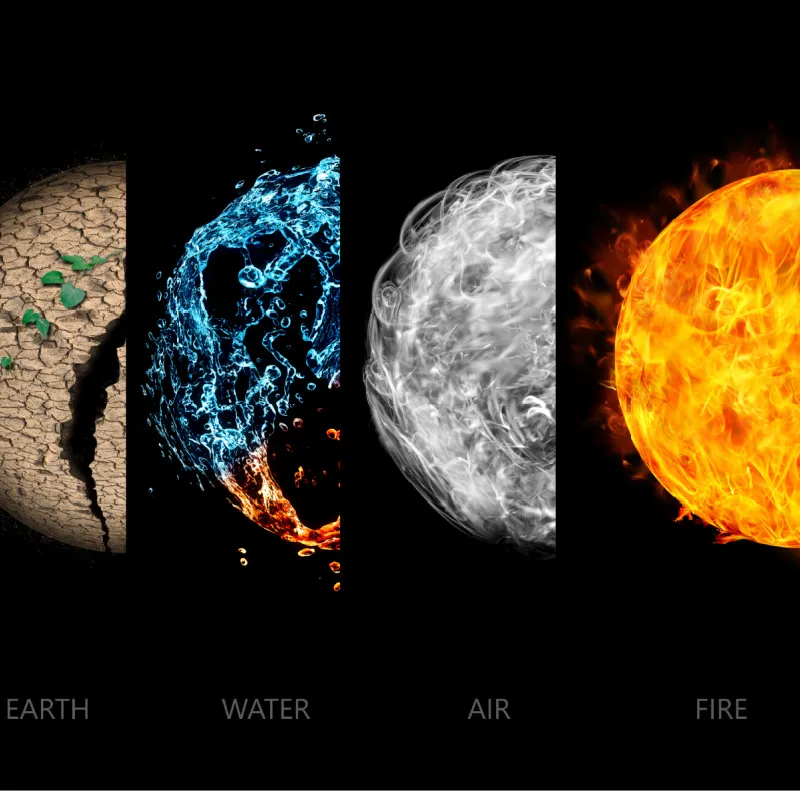
The Elements of the Zodiac: Fire, Earth, Air, and Water

88themovie.com – The zodiac, a central component of astrology, is divided into four distinct elements: fire, earth, air, and water. Each of these elements represents a different set of characteristics and energies that are associated with the twelve zodiac signs. Understanding these elements can provide insight into the traits and behaviors of individuals born under each sign.

Fire Signs: Aries, Leo, and Sagittarius

Fire is the element of passion, enthusiasm, and energy. It is associated with the signs Aries (March 21 – April 19), Leo (July 23 – August 22), and Sagittarius (November 22 – December 21). Individuals born under these signs are often characterized by their dynamic and assertive nature. They are natural leaders, driven by a desire to inspire and motivate others. Fire signs are also known for their creativity and their ability to take initiative. However, their fiery nature can sometimes lead to impulsiveness and a tendency to act without thinking.

Earth Signs: Taurus, Virgo, and Capricorn

Earth is the element of stability, practicality, and material possessions. It is associated with the signs Taurus (April 20 – May 20), Virgo (August 23 – September 22), and Capricorn (December 22 – January 19). Individuals born under these signs are often grounded and reliable, with a strong connection to the physical world. They are hardworking and methodical, preferring to take a slow and steady approach to achieve their goals. Earth signs are also known for their nurturing nature and their ability to create a sense of security for themselves and others.

Air Signs: Gemini, Libra, and Aquarius

Air is the element of intellect, communication, and socialization. It is associated with the signs Gemini (May 21 – June 20), Libra (September 23 – October 22), and Aquarius (January 20 – February 18). Individuals born under these signs are often characterized by their intellectual curiosity and their love of ideas. They are excellent communicators, able to articulate their thoughts clearly and persuasively. Air signs are also known for their social nature and their ability to connect with others. They value relationships and are often at the center of social networks.

Water Signs: Cancer, Scorpio, and Pisces

Water is the element of emotion, intuition, and sensitivity. It is associated with the signs Cancer (June 21 – July 22), Scorpio (October 23 – November 21), and Pisces (February 19 – March 20). Individuals born under these signs are often deeply emotional and intuitive, with a strong connection to the subconscious. They are empathetic and compassionate, able to understand and share the feelings of others. Water signs are also known for their creativity and their ability to express themselves through art and music.

The Interplay of Elements

The interplay between the elements can be seen in the relationships between the zodiac signs. Fire and air signs are considered to be compatible, as they both have an energetic and outgoing nature. Earth and water signs are also compatible, as they both seek stability and security. However, conflicts can arise when the elements clash, such as when the practicality of earth signs meets the impulsiveness of fire signs, or when the emotional depth of water signs encounters the intellectual detachment of air signs.

Understanding the elements of the zodiac can provide a framework for understanding the complexities of human behavior and personality. While astrology should not be taken as a definitive guide to an individual’s character, it can offer a fun and insightful perspective on the traits and tendencies that we all share. Whether you’re a fiery Aries, an earthy Capricorn, an airy Libra, or a watery Pisces, embracing the element of your sign can help you to better understand yourself and others.