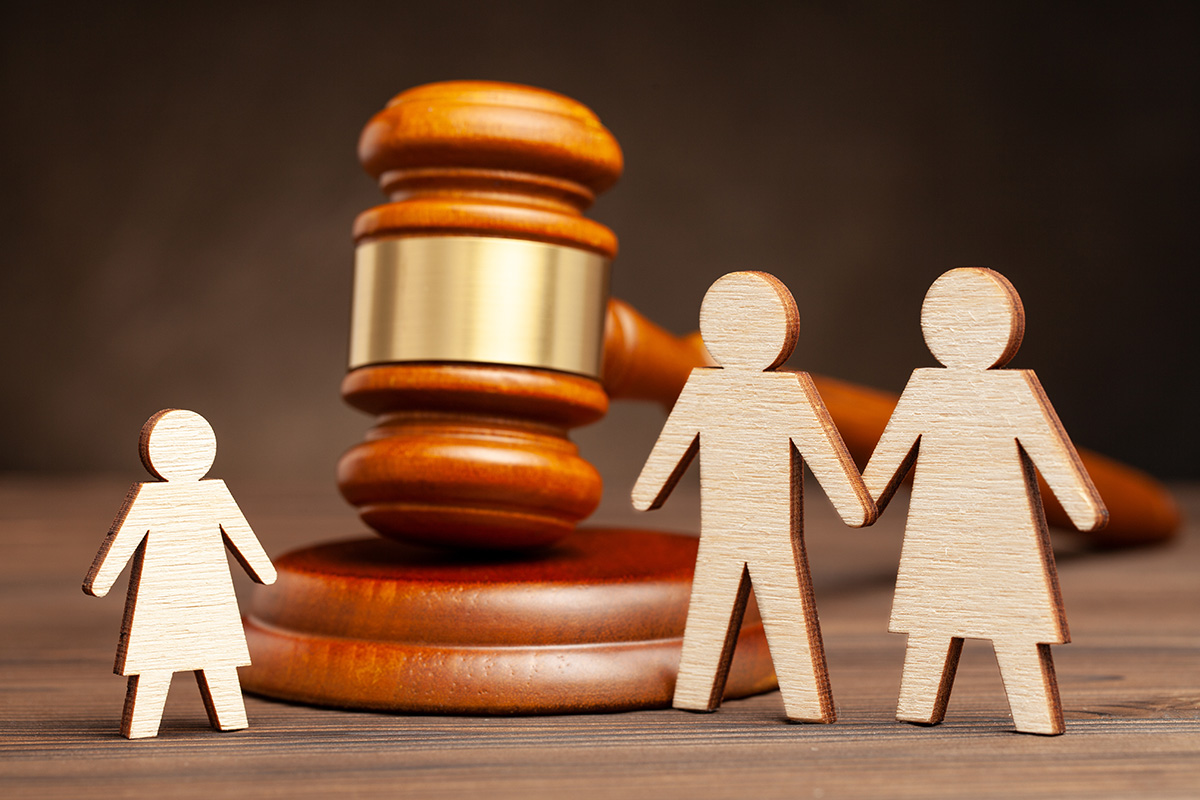
The Guardianship Gap: Legal Limitations on Women’s Parental Rights

88themovie.com – The issue of guardianship and parental rights is a critical aspect of family law that has significant implications for gender equality. Historically, many legal systems have favored men in matters of guardianship, creating a gap in the rights and responsibilities of mothers and fathers. This article explores the legal limitations on women’s parental rights, the historical context of these laws, and the ongoing struggle for gender parity in guardianship.

Historical Context

The legal framework governing guardianship and parental rights has its roots in patriarchal societal structures, where men were considered the head of the household and the primary decision-makers for their families. This perspective was reflected in legal systems worldwide, where fathers were often automatically granted guardianship over their children, especially in cases of divorce or separation.

Legal Limitations on Women’s Parental Rights

Despite significant progress in many jurisdictions, women still face legal limitations on their parental rights in various contexts. These limitations can manifest in several ways:

Automatic Male Guardianship

In some legal systems, fathers are automatically granted guardianship over their children, particularly in cases where the parents are not married. This can leave mothers with limited rights and responsibilities regarding their children’s welfare and upbringing.

Bias in Custody Decisions

Courts may exhibit bias in custody decisions, favoring fathers over mothers, especially in cases involving young children. This bias can stem from outdated notions of gender roles within the family, where mothers are seen primarily as caregivers and fathers as providers.

Restrictions on Travel and Relocation

Mothers may face legal restrictions on their ability to travel or relocate with their children, particularly if they do not have sole guardianship. This can limit their ability to pursue employment opportunities or to live closer to their support networks.

Limited Decision-Making Authority

In some jurisdictions, mothers may have limited authority to make decisions regarding their children’s education, health care, and religious upbringing, especially if they do not have sole guardianship.

The Struggle for Gender Parity

The struggle for gender parity in guardianship and parental rights is ongoing, with activists, legal professionals, and policymakers working to address the legal limitations faced by women. Key strategies include:

Legal Reforms

Many countries are reforming their family laws to ensure gender parity in guardianship and parental rights. These reforms aim to eliminate automatic male guardianship and to ensure that custody decisions are based on the best interests of the child, rather than gender biases.

Advocacy and Awareness

Advocacy groups are playing a crucial role in raising awareness about the legal limitations on women’s parental rights and in advocating for policy changes. These efforts include campaigns to educate the public and policymakers about the importance of gender equality in guardianship.

Support Services

Support services for mothers facing legal challenges in guardianship and custody disputes are essential. These services include legal aid, counseling, and support groups, which can help mothers navigate the legal system and advocate for their rights.

Conclusion

The guardianship gap is a significant barrier to gender equality, limiting women’s rights and responsibilities as parents. Addressing this gap requires a multifaceted approach, including legal reforms, advocacy, and support services. By working towards gender parity in guardianship and parental rights, societies can ensure that all parents have the opportunity to participate fully in their children’s lives.
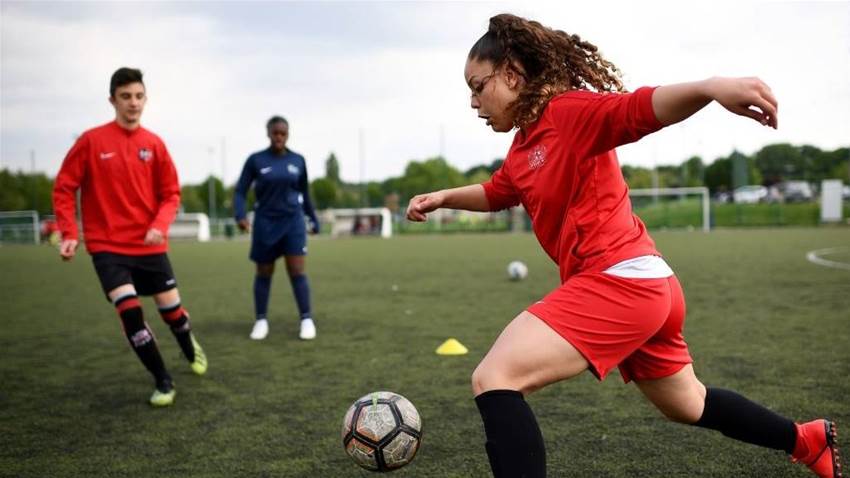

The Story of Women in Football: Breaking Barriers

88themovie.com – Football, often referred to as soccer in some parts of the world, has long been a male-dominated sport. However, the narrative is changing as women are not only breaking into the football world but also making significant strides in challenging and dismantling gender barriers. This article delves into the inspiring story of women in football, highlighting their struggles, achievements, and the impact they have on the sport and society at large.

The Early Struggles

The journey of women in football has been fraught with challenges. In the early 20th century, women’s football teams began to emerge, but they faced ridicule, discrimination, and even bans. The most notable example is the Dick, Kerr Ladies team in England, which became hugely popular during World War I but was later sidelined as men returned from the war and football was deemed a male domain.

The Fight for Recognition

Despite the setbacks, women’s football continued to grow underground. It wasn’t until the late 20th century that the sport began to gain official recognition. The FIFA Women’s World Cup was first held in 1991, marking a significant milestone in the fight for equality. Since then, the tournament has grown in popularity, showcasing the talent, passion, and dedication of female footballers.

Breaking New Grounds

Women in football are not just making waves on the pitch; they are also breaking barriers off it. Female coaches, referees, and administrators are increasingly taking on leadership roles within the sport. The appointment of Sarina Wiegman as the head coach of the Netherlands men’s national team is a prime example of gender barriers being broken in coaching positions.

The Impact of Role Models

The rise of female football stars like Megan Rapinoe, Alex Morgan, and Marta has had a profound impact on the sport. These athletes are not only exceptional players but also vocal advocates for gender equality, LGBTQ+ rights, and social justice. They inspire a new generation of girls and young women to pursue their dreams in football and beyond.

Challenges Remain

Despite the progress, women in football still face challenges, including lower pay, less media coverage, and inadequate resources compared to their male counterparts. The gender pay gap is a significant issue, with female footballers often earning a fraction of what male players do.

The Future is Female

The future of women in football looks brighter than ever. With increasing investment, sponsorship, and media attention, the sport is growing rapidly. The success of the Women’s World Cup and the rise of professional leagues around the world are testament to the enduring appeal and potential of women’s football.

Conclusion

The story of women in football is one of resilience, determination, and triumph. From facing ridicule and bans to becoming role models and champions, female footballers have come a long way. As the sport continues to evolve, it’s clear that women will play an integral role in shaping its future. The journey towards equality is far from over, but the progress made by women in football is a beacon of hope for gender equality in sports and society.

Iconic Women in Entrepreneurship: Fearless Founders

88themovie.com – In a world where the entrepreneurial landscape has historically been dominated by men, a new wave of fearless founders is reshaping the narrative. These iconic women in entrepreneurship are not only breaking barriers but also setting new standards for innovation, leadership, and success. Their stories are a testament to the power of resilience, vision, and the relentless pursuit of excellence. Here, we celebrate a few of these remarkable women who have not only built empires but have also inspired a generation to follow in their footsteps.

Sheryl Sandberg – COO of Facebook

Sheryl Sandberg is the Chief Operating Officer of Facebook and a leading voice in the tech industry. Before joining Facebook, she was a Vice President at Google, where she played a key role in building the company’s online sales channels. Sandberg is also a best-selling author and a prominent advocate for women’s leadership across the globe. Her book, “Lean In: Women, Work, and the Will to Lead,” has become a manifesto for women in business, encouraging them to pursue their ambitions and challenge gender stereotypes.

Whitney Wolfe Herd – Founder of Bumble

Whitney Wolfe Herd is the founder and CEO of Bumble, a dating app that has revolutionized the way people connect. After her departure from Tinder, where she was a co-founder, Wolfe Herd launched Bumble with a mission to empower women in the online dating world. Bumble’s unique feature requires women to make the first move, challenging traditional gender roles and promoting respectful interactions. Wolfe Herd’s commitment to creating a safer and more equitable platform has not only disrupted the dating industry but has also expanded into friendships and professional networking with Bumble BFF and Bumble Bizz.

Sara Blakely – Founder of Spanx

Sara Blakely’s journey from door-to-door saleswoman to founder of Spanx, an undergarment empire, is a classic rags-to-riches story. Blakely’s innovation came from a personal need for better-fitting undergarments. With $5,000 and a vision, she created a product that would change the way women felt about themselves. Blakely’s persistence and creativity, along with her rejection of multiple investors, led to Spanx becoming a billion-dollar brand. Her story is a powerful reminder of the impact of solving a problem with passion and determination.

Reshma Saujani – Founder of Girls Who Code

Reshma Saujani is the founder of Girls Who Code, a nonprofit organization that aims to close the gender gap in technology and engineering. Saujani’s initiative provides computer science education and exposure to coding for girls in middle and high school. Through summer immersion programs and clubs, Girls Who Code has reached hundreds of thousands of young women, encouraging them to pursue careers in STEM fields. Saujani’s work is instrumental in creating a more diverse and inclusive tech industry.

Arianna Huffington – Founder of The Huffington Post

Arianna Huffington is a media mogul and the co-founder of The Huffington Post, one of the most influential news and opinion websites. After selling The Huffington Post to AOL for $315 million, she went on to found Thrive Global, a company dedicated to ending the stress and burnout epidemic. Huffington’s advocacy for work-life balance and well-being has made her a thought leader in the wellness industry. Her entrepreneurial journey exemplifies the importance of reinvention and the pursuit of meaningful impact.

These fearless founders have not only achieved remarkable success in their respective fields but have also paved the way for future generations of women entrepreneurs. Their stories are a beacon of hope and inspiration, showing that with courage, determination, and a willingness to challenge the status quo, anything is possible. As we continue to celebrate women’s achievements in entrepreneurship, let us also commit to supporting and empowering the next wave of fearless founders who will undoubtedly change the world.