88themovie.com – Directed by Elaine May and released in 1972, The Heartbreak Kid stands out as a dark, satirical comedy that explores the complexities of love, regret, and human self-delusion. Based on a short story by Bruce Jay Friedman, the film blends humor with uncomfortable truths, delivering a biting commentary on the nature of relationships and the absurdities of romantic idealization.
The Plot: From Newlywed Bliss to a Mid-Honeymoon Crisis
The film follows the story of Lenny Cantrow (Charles Grodin), a young New Yorker who impulsively marries his girlfriend Lila (Jeannie Berlin) after a whirlwind romance. Almost immediately after their honeymoon begins, Lenny starts to question his decision. Lila’s quirks, initially charming, become unbearable as the honeymoon progresses. Her sunburn, obsession with candy bars, and constant chatter begin to irritate Lenny to the point of frustration.
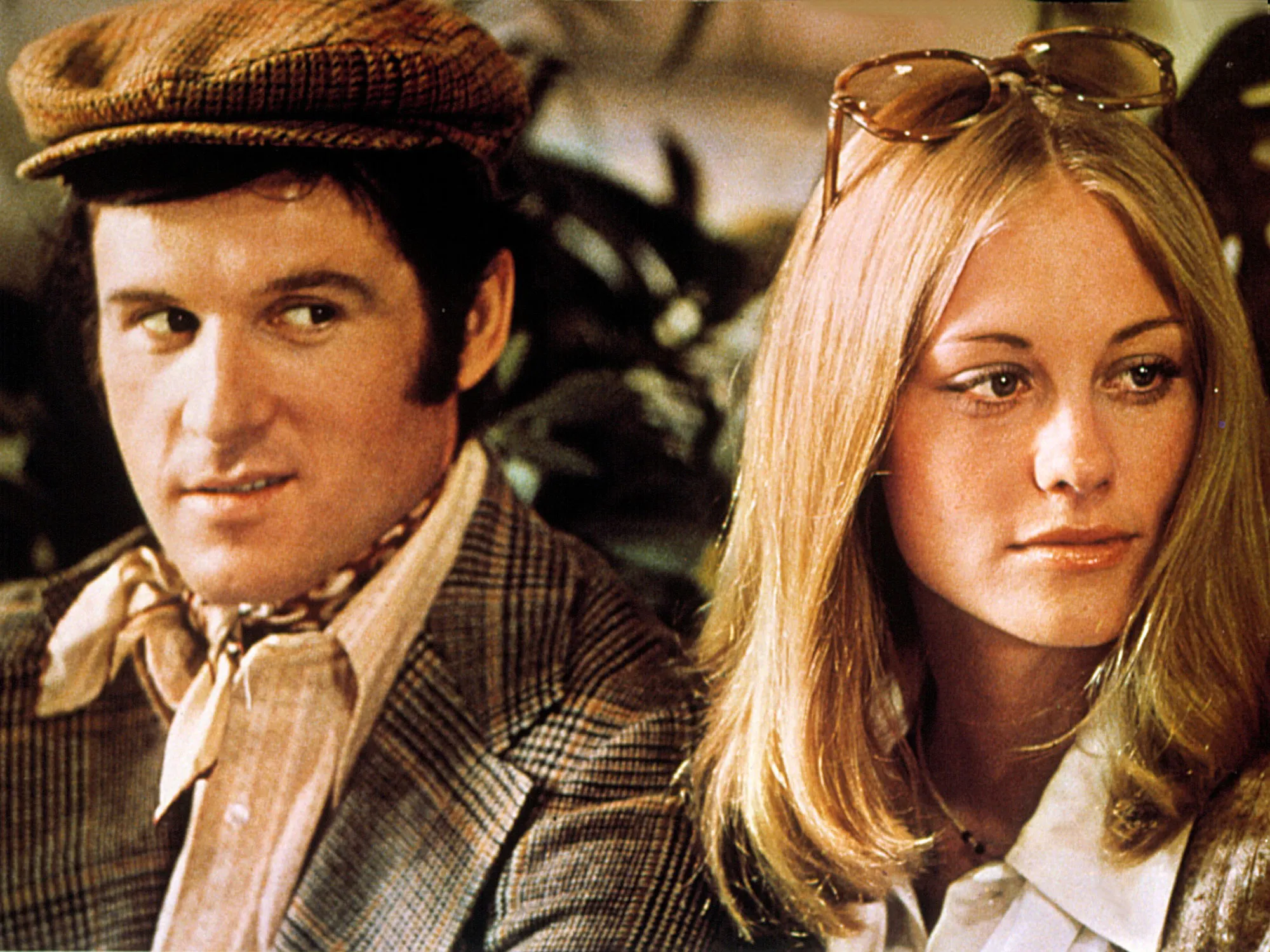
Things take a turn when Lenny meets the beautiful and unattainable Kelly Corcoran (Cybill Shepherd) while on vacation in Miami. He quickly becomes infatuated, deciding that she, not Lila, is his true love. This encounter sets Lenny on a course of romantic self-destruction as he tries to extricate himself from his marriage in the most selfish and dishonest ways possible.
Charles Grodin’s Performance: A Masterclass in Comic Timing
Charles Grodin’s portrayal of Lenny Cantrow is a highlight of the film. His deadpan delivery and impeccable comedic timing bring out the humor in Lenny’s selfishness and delusion. Lenny is both pitiful and unlikeable, a man so wrapped up in his fantasies of the perfect romance that he’s willing to hurt everyone around him in the process. Grodin’s performance strikes the perfect balance between charm and insincerity, making Lenny both fascinating and frustrating to watch.
Jeannie Berlin’s Heartbreaking Performance
While Grodin’s Lenny drives the plot forward, Jeannie Berlin (the daughter of director Elaine May) delivers a standout performance as Lila, Lenny’s ill-fated wife. Berlin’s portrayal of Lila is a mixture of naiveté and vulnerability. As her character endures Lenny’s growing coldness, her heartbreak is palpable, making her a tragic figure in the midst of the comedy. Berlin’s performance earned her an Academy Award nomination for Best Supporting Actress, and her portrayal remains one of the most memorable aspects of the film.
Cybill Shepherd as the Alluring Ideal
Cybill Shepherd plays the role of Kelly, the seemingly perfect young woman who becomes the object of Lenny’s desires. Her cool, aloof demeanor only heightens Lenny’s obsession, representing the unattainable fantasy that so often undermines real relationships. Shepherd’s performance is subtle yet effective, embodying the idealized love that Lenny pursues, oblivious to the damage he’s causing.
Elaine May’s Direction: Sharp and Unforgiving
Elaine May’s direction gives The Heartbreak Kid its biting edge. Known for her sharp wit and keen observations on human behavior, May infuses the film with a dark comedic sensibility that never shies away from the selfishness and flaws of its characters. While Lenny’s actions could easily have been played for broad humor, May allows the film to linger on the discomfort and pain caused by his choices. This approach gives the film its unique tone, blending comedy with moments of genuine sadness.
A hallmark of May’s directorial style is her refusal to offer easy redemption or moral clarity. Lenny is not given a heroic arc, nor is he fully punished for his actions. Instead, the film leaves viewers to grapple with the messy reality of human relationships and the often misguided pursuit of happiness.
Themes of Disillusionment and Selfishness
At its core, The Heartbreak Kid is a film about disillusionment and the dangers of idealizing love. Lenny’s journey from newlywed bliss to discontentment illustrates how quickly romantic fantasies can crumble when faced with the reality of another person’s imperfections. His infatuation with Kelly is built entirely on projection and idealization, a theme that resonates deeply with anyone who has ever experienced the disappointment of unfulfilled romantic expectations.
Moreover, the film offers a scathing critique of selfishness and emotional immaturity. Lenny’s inability to see beyond his own desires ultimately leads to his downfall. The film’s dark humor lies in the fact that Lenny never truly understands the harm he’s done — he remains trapped in his delusions, even as the consequences of his actions unfold around him.
A Cult Classic with Lasting Influence
Although The Heartbreak Kid was not a major box office hit upon its release, it has since earned a reputation as a cult classic, praised for its sharp writing, strong performances, and unique tone. The film was nominated for two Academy Awards, including Best Supporting Actress for Jeannie Berlin and Best Supporting Actor for Eddie Albert, who plays Kelly’s disapproving father.
In the decades since its release, The Heartbreak Kid has been recognized as one of the finest dark comedies of the 1970s, a film that pushes the boundaries of conventional romantic comedy by exploring the darker side of love and relationships. Its themes of emotional immaturity and selfishness remain relevant, and its influence can be seen in numerous romantic comedies and dramedies that followed.
A 2007 remake starring Ben Stiller attempted to recapture the magic of the original but fell short, with many critics pointing out that the 1972 version’s subtlety and emotional complexity were lost in translation. The original remains the definitive version, a timeless and uncompromising examination of love, regret, and the lies we tell ourselves.