The Crusty Crustaceans: Exploring the World of Crabs

88themovie.com – Crabs, those intriguing decapod crustaceans, are a common sight along coastlines, estuaries, and even some freshwater and terrestrial environments. Recognizable by their sideways walk, sturdy exoskeletons, and prominent claws, crabs play diverse ecological roles and have long been a part of human culture and cuisine. This article explores the captivating world of crabs, delving into their diverse species, unique anatomy, fascinating behaviors, ecological significance, and complex relationship with humans.   

A Branching Lineage: Decapoda and the Infraorder Brachyura

Crabs are classified within the order Decapoda, a diverse group of crustaceans that also includes shrimp, lobsters, and crayfish. True crabs belong to the infraorder Brachyura, characterized by their short, reduced abdomens tucked beneath the cephalothorax (fused head and thorax). This distinguishes them from other decapod groups like the Anomura (which includes hermit crabs, king crabs, and porcelain crabs), which have more elongated or asymmetrical abdomens.  

Physical Adaptations: Built for a Variety of Niches

Crabs have evolved a range of physical adaptations that enable them to thrive in diverse habitats:   

  • Exoskeleton: A rigid external skeleton composed primarily of chitin, providing protection and support. This exoskeleton must be molted periodically for growth.   
  • Decapod Limbs: Ten legs in total, with the first pair modified into powerful claws known as chelipeds. These chelipeds are used for defense, feeding, digging, and communication.   
  • Reduced Abdomen: Tucked tightly beneath the cephalothorax, providing greater maneuverability and protection. In males, the abdomen is narrow, while in females, it is broader to accommodate eggs.   
  • Lateral Eyes on Stalks: Providing a wide field of vision, crucial for detecting predators and prey.   
  • Gills within a Branchial Chamber: Protected by the carapace (the dorsal part of the cephalothorax), allowing them to breathe in both aquatic and semi-terrestrial environments.   

Habitat and Distribution: Colonizing Diverse Environments

Crabs have successfully colonized a vast array of habitats across the globe:

  • Marine Environments: From the intertidal zone to the deep sea, including coral reefs, rocky shores, sandy beaches, and estuaries.
  • Freshwater Habitats: Rivers, lakes, and streams.   
  • Terrestrial and Semi-terrestrial Habitats: Mangroves, coastal forests, and even some deserts.

This adaptability is a testament to their evolutionary success.

Behavioral Adaptations: From Foraging to Courtship

Crabs exhibit a wide range of behaviors:

  • Locomotion: Primarily sideways walking, although they can move forward or backward when necessary.
  • Foraging: Different species employ various feeding strategies, including predation, scavenging, herbivory, and filter-feeding.
  • Burrowing: Many crabs dig burrows for shelter, protection from predators, and nesting.   
  • Communication: Crabs communicate using visual signals (such as claw waving), chemical signals (pheromones), and sounds (stridulation).
  • Courtship and Mating: Complex courtship rituals often precede mating, involving visual displays and tactile interactions.

Ecological Significance: Important Roles in Food Webs

Crabs play vital roles in their respective ecosystems:

  • Predators: Controlling populations of various invertebrates and small fish.
  • Prey: Serving as a food source for larger predators, such as birds, fish, marine mammals, and other crustaceans.
  • Decomposers and Scavengers: Contributing to nutrient cycling by consuming dead organic matter.   
  • Ecosystem Engineers: Some species, like fiddler crabs, modify their habitats through burrowing, affecting sediment composition and nutrient distribution.   

Crabs and Humans: A Long and Complex Relationship

Crabs have been intertwined with human societies for centuries:

  • Food Source: Crabs are a commercially important food source worldwide, with various species being harvested and farmed.   
  • Economic Importance: Crab fisheries and aquaculture contribute significantly to local and global economies.   
  • Cultural Significance: Crabs feature in various mythologies, folklore, and art across different cultures.   
  • Scientific Research: Crabs are used in scientific research to study various biological processes, including neurobiology, development, and ecology.   

Conservation Status and Threats: Facing Increasing Pressures

While some crab populations are healthy, many face increasing threats:

  • Overfishing: Unsustainable fishing practices can deplete crab populations and disrupt ecosystems.   
  • Habitat Destruction and Degradation: Coastal development, pollution, and habitat destruction negatively impact crab habitats.   
  • Climate Change: Changes in ocean temperature, acidity, and sea level can affect crab survival, distribution, and reproductive success.   
  • Invasive Species: Introduction of non-native crab species can disrupt native ecosystems.   

Conclusion: Recognizing the Importance of Crabs

Crabs, with their diverse adaptations, fascinating behaviors, and significant ecological and economic roles, are a vital part of the natural world. Understanding the challenges they face and promoting sustainable practices are crucial for ensuring that these fascinating crustaceans continue to thrive in our changing world. By appreciating their importance, we can contribute to their conservation and the health of the ecosystems they inhabit.


The Magical Stories of Roald Dahl

88themovie.com – Roald Dahl, celebrated for his whimsical and imaginative storytelling, has left an indelible mark on the world of children’s literature. His works are characterized by their unique blend of humor, fantasy, and occasional darkness, inviting readers into worlds where the extraordinary is commonplace. With beloved classics like “Charlie and the Chocolate Factory,” “Matilda,” and “The BFG,” Dahl has enchanted generations of readers, igniting imaginations and inspiring creativity. This article explores the magical stories crafted by Roald Dahl, examining their themes, impact, and enduring legacy.

The Enchanted Worlds of Roald Dahl

Dahl’s stories are portals to fantastical worlds filled with quirky characters, magical adventures, and unexpected twists. In “Charlie and the Chocolate Factory,” readers are transported to Willy Wonka’s whimsical candy factory, a place where imagination knows no bounds. “Matilda” introduces us to a young girl with extraordinary powers, navigating a world filled with both kindness and cruelty. In “The BFG,” readers embark on a journey with a lovable giant, exploring themes of friendship and bravery. Each story is a testament to Dahl’s ability to create enchanting worlds that captivate and delight.

Themes of Empowerment and Imagination

At the heart of Dahl’s stories is a celebration of imagination and empowerment. His protagonists, often children, are imbued with resilience, intelligence, and a sense of justice, challenging the unfairness and absurdities of the adult world. Characters like Matilda and James from “James and the Giant Peach” embody the triumph of the underdog, using their wits and courage to overcome adversity. Dahl’s tales often emphasize the importance of kindness, creativity, and standing up for oneself, resonating with readers of all ages.

The Blend of Humor and Darkness

Dahl’s storytelling is renowned for its distinctive blend of humor and darkness. His whimsical narratives often include elements of the macabre, creating a unique tone that both entertains and provokes thought. This interplay of light and dark adds depth to his stories, offering lessons on morality, resilience, and the complexities of human nature. Through his sharp wit and playful language, Dahl crafts tales that are as thought-provoking as they are entertaining.

The Legacy of Roald Dahl

Roald Dahl’s impact on children’s literature is profound and enduring. His books have been translated into numerous languages and adapted into successful films, stage productions, and even theme park attractions. Dahl’s stories have a timeless quality, continuing to capture the hearts of new generations of readers. His ability to inspire creativity and encourage readers to embrace their individuality has solidified his status as a beloved literary figure.

Conclusion

The magical stories of Roald Dahl continue to enchant and inspire readers around the world. His imaginative worlds, memorable characters, and universal themes of empowerment and resilience make his works timeless classics. As his legacy endures, Dahl’s stories remain a source of joy and wonder, inviting readers to explore the limitless possibilities of imagination and the power of storytelling.

Asian Philosophies and Their Relevance in Today’s World

88themovie.com – Asian philosophies, with their deep historical roots and profound insights, offer timeless wisdom that remains highly relevant in today’s fast-paced and interconnected world. These philosophies encompass a wide range of thought systems, including Confucianism, Buddhism, Taoism, and Hinduism, each providing unique perspectives on life, ethics, and the human experience. This article explores the core tenets of these Asian philosophies and their significance in addressing contemporary challenges.

Confucianism: Ethics and Social Harmony

Confucianism, founded by Confucius in ancient China, emphasizes the importance of ethics, family values, and social harmony. Its teachings focus on virtues such as respect, loyalty, and filial piety, advocating for a well-ordered society based on moral integrity. In today’s world, Confucian principles can guide individuals and communities in fostering respectful relationships and creating cohesive social structures.

Buddhism: Mindfulness and Compassion

Buddhism, originating in India, teaches the pursuit of enlightenment through mindfulness, compassion, and detachment from material desires. Its practices, such as meditation and the cultivation of loving-kindness, offer tools for managing stress, reducing suffering, and achieving inner peace. As mental health concerns rise globally, Buddhist philosophies provide valuable strategies for enhancing emotional well-being and resilience.

Taoism: Harmony with Nature

Taoism, an ancient Chinese philosophy, advocates living in harmony with the Tao, or the natural way of the universe. Emphasizing simplicity, humility, and balance, Taoism encourages individuals to align with the rhythms of nature and embrace the flow of life. In an era of environmental challenges, Taoist principles inspire sustainable living and a deeper connection with the natural world.

Hinduism: The Pursuit of Knowledge and Self-Realization

Hinduism, one of the world’s oldest religions, encompasses diverse beliefs and practices centered around the pursuit of knowledge, self-realization, and dharma (duty). Concepts such as karma (action and consequence) and yoga (union and discipline) offer frameworks for personal growth and ethical living. In today’s rapidly changing world, Hindu philosophies provide guidance for navigating life’s complexities with wisdom and purpose.

The Integration of Eastern and Western Thought

In recent years, there has been a growing interest in integrating Eastern philosophies with Western thought to address global challenges. Concepts like mindfulness, derived from Buddhist practices, are being incorporated into Western healthcare and education systems. Similarly, Confucian and Taoist principles are influencing leadership and organizational practices, promoting ethical decision-making and holistic well-being.

Conclusion

Asian philosophies offer a wealth of wisdom that continues to resonate in today’s world, providing insights into ethical living, emotional resilience, and environmental stewardship. By embracing these timeless teachings, individuals and societies can navigate contemporary challenges with greater clarity and purpose. As we seek solutions to global issues, the integration of Eastern and Western philosophies holds the potential to create a more harmonious and sustainable future.

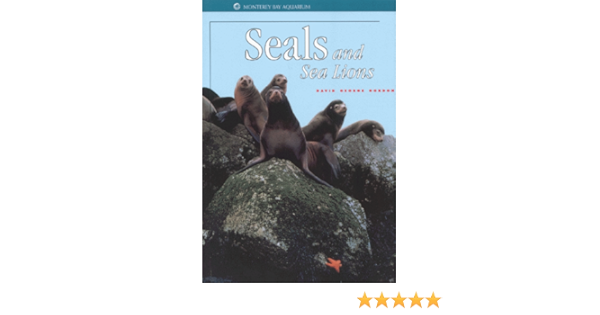
The World of Pinnipeds: David G. Gordon’s “Seals and Sea Lions”

88themovie.com – David G. Gordon’s “Seals and Sea Lions” offers an enlightening look into the lives of these fascinating marine mammals. As a comprehensive guide, the book delves into the biology, behavior, and conservation of seals and sea lions, collectively known as pinnipeds. Gordon’s work provides readers with a deeper understanding of these creatures and their vital roles in marine ecosystems. In this article, we explore the key aspects of Gordon’s book that make it an essential read for marine enthusiasts and conservationists alike.

Understanding Pinnipeds

“Seals and Sea Lions” begins with a detailed introduction to the world of pinnipeds, highlighting their unique adaptations to life in the ocean. Gordon explains the differences between seals, sea lions, and walruses, focusing on their biological characteristics, such as flippers, blubber, and whiskers, which enable them to thrive in diverse marine environments. This foundational knowledge sets the stage for a deeper exploration of their behaviors and interactions.

Behavior and Ecology

Gordon’s book offers an in-depth examination of the behavior and ecology of seals and sea lions. He explores their social structures, breeding habits, and hunting techniques, providing insights into how these animals communicate, mate, and rear their young. The book also covers the migratory patterns of different species, illustrating the challenges they face in their search for food and suitable habitats.

Conservation Challenges

A significant focus of “Seals and Sea Lions” is the conservation challenges facing these marine mammals. Gordon discusses the threats posed by climate change, pollution, and human activities such as fishing and habitat destruction. He emphasizes the importance of conservation efforts and the role of research and policy in protecting pinniped populations. By highlighting success stories and ongoing challenges, the book encourages readers to support initiatives aimed at preserving marine biodiversity.

Human-Pinniped Interactions

Gordon also explores the complex relationship between humans and pinnipeds. He examines historical hunting practices, the impact of pinnipeds on fisheries, and the role of these animals in indigenous cultures. By providing a balanced perspective, the book fosters a greater appreciation for the need to coexist with these creatures and respect their natural habitats.

Conclusion

David G. Gordon’s “Seals and Sea Lions” is a comprehensive and engaging exploration of the world of pinnipeds. Through detailed information and compelling narratives, the book offers readers a deeper understanding of these remarkable marine mammals and the challenges they face. It serves as both an educational resource and a call to action for the conservation of seals and sea lions, making it a valuable addition to the library of anyone interested in marine life and environmental stewardship.

The Varied Costs of Passports Around the World

88themovie.com – Passports are essential travel documents that allow individuals to cross international borders. However, the cost of obtaining a passport can vary significantly from one country to another, influenced by factors such as the passport’s security features, the country’s economic status, and administrative costs. This article explores the current passport fees and costs around the world as of 2024.

United States

In the United States, the cost of obtaining a passport for the first time includes a $130 application fee and a $35 execution fee, totaling $16. This fee structure applies uniformly regardless of where the application is made, ensuring consistency across the globe.

Australia

Australia has seen a significant increase in passport costs, with the price set to rise to AUD$398 from July 1, 2024, marking a 15% increase or an additional $50. This makes Australian passports among the most expensive globally.

Mexico

Mexico also ranks high in passport costs, with a fee of AUD$353.90. This high cost reflects the country’s efforts to maintain high security standards in its passport issuance.

European Countries

In Europe, the cost of a new Spanish passport is relatively low, at up to €30, making it one of the cheapest in the region. In contrast, Germany charges €77 for a passport, reflecting a more moderate cost compared to other countries.

Other Notable Costs

  • United Arab Emirates: The cost of a passport is $14.
  • France: The cost is $95.
  • Turkey: The passport is the most expensive globally, costing 166 British pounds.

Global Trends and Considerations

The global E-passport market is projected to grow significantly, reaching US$81.5 billion by 2032, indicating a shift towards more secure and technologically advanced passports. This growth is likely to influence future passport costs, potentially leading to higher fees as countries invest in more sophisticated security features.

Conclusion

The cost of obtaining a passport varies widely across the globe, influenced by a country’s economic status, security needs, and administrative costs. While some countries like the United States maintain a consistent fee structure worldwide, others like Australia and Turkey have seen significant increases in their passport costs. As the global E-passport market expands, it is likely that passport fees will continue to evolve, reflecting advancements in security and technology.

Behind the Scenes at the Oscars: The World’s Biggest Film Awards

88themovie.com – The Oscars, officially known as the Academy Awards, are the most prestigious awards in the film industry, recognizing outstanding achievements in various fields of filmmaking. Every year, the ceremony captivates millions of viewers around the globe, but what happens behind the scenes is often a mystery. This article lifts the veil on the secrets and lesser-known aspects of the world’s biggest film awards.

The Voting Process: A Complex Endeavor

The selection process for the Oscars is as intricate as it is secretive. The Academy of Motion Picture Arts and Sciences, which hosts the awards, comprises over 10,000 members from different branches of the film industry. The voting process is conducted in several rounds, starting with the nomination ballots and culminating in the final voting for the winners. The exact details of the voting process are kept confidential to maintain its integrity, but it’s known for being highly secure and complex.

The Preparation: Months of Planning

The glamorous ceremony that lasts a few hours on television is the result of months of meticulous planning. From selecting the venue (usually the Dolby Theatre in Los Angeles) to deciding the seating arrangements, every detail is carefully thought out. The production team works tirelessly to ensure that the show runs smoothly, from the opening act to the final acceptance speech.

The Security: Tighter Than Ever

Security at the Oscars is understandably tight, given the high-profile nature of the event. Invitations are non-transferable, and every attendee must go through a strict verification process. Bags are checked, and there are numerous security checkpoints. The event also employs a significant number of plainclothes officers to ensure the safety of the guests.

The Swag Bags: A Controversial Tradition

For years, Oscar nominees received lavish gift bags filled with expensive items, from luxury vacations to high-end gadgets. However, this tradition has sparked controversy due to the bags’ exorbitant value, leading to changes in recent years. The Academy has distanced itself from these gifts, emphasizing that they are not an official part of the ceremony.

The After-Parties: Where the Real Fun Begins

After the ceremony, the celebration continues at various after-parties hosted by studios, production companies, and industry insiders. These exclusive events are where the stars let their hair down, and the real networking begins. The after-parties are often seen as equally important as the ceremony itself, offering opportunities for collaboration and deal-making.

The Dress Code: A Battle of the Designers

The Oscars are not just a celebration of film; they’re also a fashion show watched by millions. Designers vie for the chance to dress the nominees and presenters, knowing that the exposure can catapult their careers. The dress code is formal, but within these boundaries, celebrities and designers push the limits of creativity, making the red carpet a battleground of sorts.

The Speeches: Prepared Yet Spontaneous

The acceptance speeches are a mix of prepared remarks and spontaneous emotion. Winners are given a set amount of time to speak, and while some stick to their scripts, others let their feelings take over. The speeches are a highlight of the ceremony, offering moments of inspiration, humor, and sometimes controversy.

The Broadcast: A Global Phenomenon

The Oscars are broadcasted live in over 200 countries, making it one of the most-watched events in the world. The production team works closely with international broadcasters to ensure that the show is accessible to a global audience. The ceremony is a masterclass in live television production, with multiple cameras, live feeds, and a team of directors working together to capture every moment.

Conclusion: The Magic of the Oscars

Behind the glitz and glamour of the Oscars lies a well-oiled machine that takes months to prepare. From the secretive voting process to the lavish after-parties, the Academy Awards are a testament to the power of film and the people who make them. Despite the controversies and the complexities, the Oscars remain a symbol of excellence in the film industry, captivating audiences around the world with their magic.

The Chaotic World of Stand-Up Comedy: Punchline Pandemonium

88themovie.com – In the whimsical and unpredictable realm of stand-up comedy, punchline pandemonium reigns supreme. This is a world where the unexpected is the norm, and the line between genius and disaster is as thin as a sheet of paper. Stand-up comedy, with its reliance on spontaneity, wit, and the raw, unfiltered reactions of live audiences, is a testament to the human spirit’s ability to find humor in the chaos of life.

The Art of the Unexpected

At the heart of punchline pandemonium is the art of the unexpected. A comedian’s job is to surprise, to shock, and to tickle the funny bone in ways that the audience could never anticipate. This is no easy feat. It requires a deep understanding of human psychology, a keen sense of timing, and the courage to step into the unknown with every joke.

The Dance with Disaster

Every comedian knows the feeling of walking the tightrope, where one misstep can lead to a disastrous fall. The silence that follows a failed joke is deafening, a stark reminder of the precarious nature of the craft. Yet, it is in these moments of potential disaster that the true magic of stand-up comedy can shine. It is the ability to turn a flop into a triumph, to use the silence as a canvas for further creativity, that separates the amateurs from the masters.

The Audience: A Wildcard in the Equation

No discussion of punchline pandemonium would be complete without acknowledging the role of the audience. In stand-up comedy, the audience is not just a passive observer but an active participant in the creation of humor. Their reactions, whether it be a roar of laughter or a collective groan, can elevate a joke to legendary status or consign it to obscurity. This unpredictable element adds an extra layer of excitement and unpredictability to the art form.

The Evolution of Comedy

As society evolves, so too does the landscape of stand-up comedy. What was once considered taboo becomes the norm, and new boundaries are pushed in the relentless pursuit of laughter. This evolution is both a challenge and an opportunity for comedians, who must constantly adapt their material to stay relevant and resonate with their audiences.

Conclusion

Punchline pandemonium is more than just a phrase; it is a way of life for those who dare to make a living by making others laugh. It is a celebration of chaos, a tribute to the human spirit’s resilience, and a reminder that, in the face of life’s uncertainties, laughter is often the best medicine. As long as there are comedians willing to step into the spotlight and audiences eager to be entertained, the chaotic world of stand-up comedy will continue to thrive, proving that in the pursuit of humor, anything is possible.