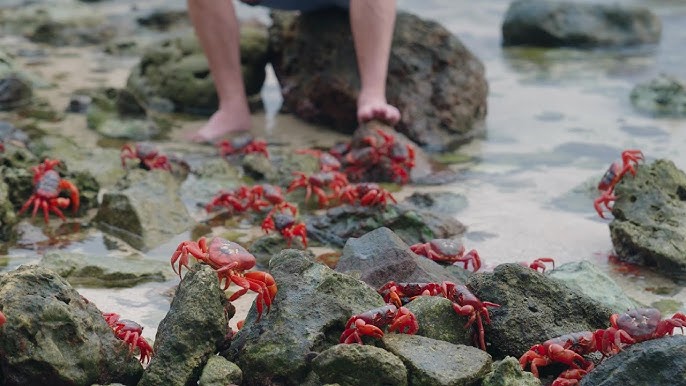
The Crusty Crustaceans: Exploring the World of Crabs

88themovie.com – Crabs, those intriguing decapod crustaceans, are a common sight along coastlines, estuaries, and even some freshwater and terrestrial environments. Recognizable by their sideways walk, sturdy exoskeletons, and prominent claws, crabs play diverse ecological roles and have long been a part of human culture and cuisine. This article explores the captivating world of crabs, delving into their diverse species, unique anatomy, fascinating behaviors, ecological significance, and complex relationship with humans.   

A Branching Lineage: Decapoda and the Infraorder Brachyura

Crabs are classified within the order Decapoda, a diverse group of crustaceans that also includes shrimp, lobsters, and crayfish. True crabs belong to the infraorder Brachyura, characterized by their short, reduced abdomens tucked beneath the cephalothorax (fused head and thorax). This distinguishes them from other decapod groups like the Anomura (which includes hermit crabs, king crabs, and porcelain crabs), which have more elongated or asymmetrical abdomens.  

Physical Adaptations: Built for a Variety of Niches

Crabs have evolved a range of physical adaptations that enable them to thrive in diverse habitats:   

  • Exoskeleton: A rigid external skeleton composed primarily of chitin, providing protection and support. This exoskeleton must be molted periodically for growth.   
  • Decapod Limbs: Ten legs in total, with the first pair modified into powerful claws known as chelipeds. These chelipeds are used for defense, feeding, digging, and communication.   
  • Reduced Abdomen: Tucked tightly beneath the cephalothorax, providing greater maneuverability and protection. In males, the abdomen is narrow, while in females, it is broader to accommodate eggs.   
  • Lateral Eyes on Stalks: Providing a wide field of vision, crucial for detecting predators and prey.   
  • Gills within a Branchial Chamber: Protected by the carapace (the dorsal part of the cephalothorax), allowing them to breathe in both aquatic and semi-terrestrial environments.   

Habitat and Distribution: Colonizing Diverse Environments

Crabs have successfully colonized a vast array of habitats across the globe:

  • Marine Environments: From the intertidal zone to the deep sea, including coral reefs, rocky shores, sandy beaches, and estuaries.
  • Freshwater Habitats: Rivers, lakes, and streams.   
  • Terrestrial and Semi-terrestrial Habitats: Mangroves, coastal forests, and even some deserts.

This adaptability is a testament to their evolutionary success.

Behavioral Adaptations: From Foraging to Courtship

Crabs exhibit a wide range of behaviors:

  • Locomotion: Primarily sideways walking, although they can move forward or backward when necessary.
  • Foraging: Different species employ various feeding strategies, including predation, scavenging, herbivory, and filter-feeding.
  • Burrowing: Many crabs dig burrows for shelter, protection from predators, and nesting.   
  • Communication: Crabs communicate using visual signals (such as claw waving), chemical signals (pheromones), and sounds (stridulation).
  • Courtship and Mating: Complex courtship rituals often precede mating, involving visual displays and tactile interactions.

Ecological Significance: Important Roles in Food Webs

Crabs play vital roles in their respective ecosystems:

  • Predators: Controlling populations of various invertebrates and small fish.
  • Prey: Serving as a food source for larger predators, such as birds, fish, marine mammals, and other crustaceans.
  • Decomposers and Scavengers: Contributing to nutrient cycling by consuming dead organic matter.   
  • Ecosystem Engineers: Some species, like fiddler crabs, modify their habitats through burrowing, affecting sediment composition and nutrient distribution.   

Crabs and Humans: A Long and Complex Relationship

Crabs have been intertwined with human societies for centuries:

  • Food Source: Crabs are a commercially important food source worldwide, with various species being harvested and farmed.   
  • Economic Importance: Crab fisheries and aquaculture contribute significantly to local and global economies.   
  • Cultural Significance: Crabs feature in various mythologies, folklore, and art across different cultures.   
  • Scientific Research: Crabs are used in scientific research to study various biological processes, including neurobiology, development, and ecology.   

Conservation Status and Threats: Facing Increasing Pressures

While some crab populations are healthy, many face increasing threats:

  • Overfishing: Unsustainable fishing practices can deplete crab populations and disrupt ecosystems.   
  • Habitat Destruction and Degradation: Coastal development, pollution, and habitat destruction negatively impact crab habitats.   
  • Climate Change: Changes in ocean temperature, acidity, and sea level can affect crab survival, distribution, and reproductive success.   
  • Invasive Species: Introduction of non-native crab species can disrupt native ecosystems.   

Conclusion: Recognizing the Importance of Crabs

Crabs, with their diverse adaptations, fascinating behaviors, and significant ecological and economic roles, are a vital part of the natural world. Understanding the challenges they face and promoting sustainable practices are crucial for ensuring that these fascinating crustaceans continue to thrive in our changing world. By appreciating their importance, we can contribute to their conservation and the health of the ecosystems they inhabit.
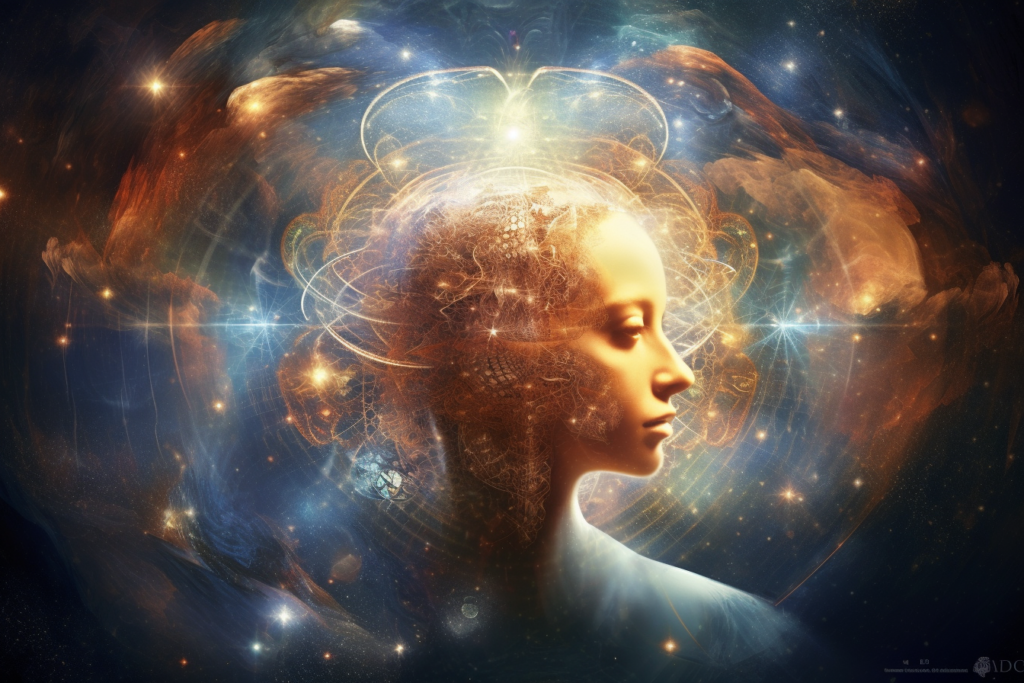

Exploring the Realm of New Sensations: The First Feel

88themovie.com – Embarking on a journey of new sensations is akin to opening a treasure chest filled with unknown wonders. Each new experience is a thrill, a moment of pure discovery that can transform our perception of the world. Whether it’s the taste of an exotic fruit, the touch of a fabric you’ve never felt before, or the sound of a musical instrument you’ve never heard, these first encounters are etched into our memories, shaping our sensory landscape.

The Science of First Impressions

Our brains are wired to pay special attention to novel stimuli. The phenomenon of “neophilia” describes our innate attraction to new things. When we experience something for the first time, our sensory neurons fire with heightened intensity, creating a vivid memory. This is why first impressions are often so strong and why new sensations can be so memorable.

Cultivating Sensory Awareness

To fully appreciate the richness of new sensations, it’s essential to cultivate sensory awareness. This involves slowing down and paying close attention to the details of our sensory experiences. Mindfulness practices can enhance this awareness, allowing us to savor the nuances of each new sensation, whether it’s the complexity of a new perfume or the texture of a different soil beneath our feet.

The Role of Context in Sensory Perception

The context in which we experience new sensations can greatly influence our perception of them. A meal enjoyed in a beautiful setting might taste better than the same meal eaten in a mundane environment. Similarly, the emotional state we’re in can color our sensory experiences. A sunset viewed with a loved one can seem more vibrant than one observed alone.

Sharing New Sensations

Sharing new sensations with others can amplify the experience. When we describe a new taste or sound to someone, we not only convey the sensory information but also the emotions and thoughts it evoked. This sharing creates a bond and can lead to a deeper understanding and appreciation of the world around us.

The Quest for New Sensations

The quest for new sensations is a never-ending journey. As we grow and our tastes evolve, there are always new experiences to seek out. Travel, trying new foods, exploring art, and engaging in new activities are all ways to encounter new sensations. This quest keeps life interesting and our senses sharp.

The Impact of New Sensations on Creativity

New sensations can be a powerful source of inspiration for creativity. Artists, writers, and musicians often draw from their experiences to create something new. By exposing ourselves to a variety of sensations, we can fuel our creativity and express our unique perspectives in innovative ways.

Embracing the Unknown

Finally, embracing new sensations means embracing the unknown. It requires a sense of adventure and a willingness to step out of our comfort zones. Each new sensation is a step into the unknown, a chance to grow and learn. By doing so, we enrich our lives and expand our understanding of the world.

A Journey Beyond the Veil: Exploring the Mysteries of Heaven

88themovie.com – The concept of heaven has fascinated humanity for centuries, often shrouded in mystery and speculation. However, recent accounts and testimonies from individuals who claim to have experienced heaven provide a glimpse into what lies beyond the veil of our earthly existence. This article delves into these accounts, exploring the themes of hope, peace, and the afterlife as described by those who have had these profound experiences.

Glimpses of Glory and Revelations in the Realms of God

One of the most compelling narratives comes from the book “Glimpses of Glory, Revelations in the Realms of God” by an author whose experiences are detailed in a vivid and compelling manner. This account, published in 2016, offers a profound insight into the realms of God, suggesting that heaven is a place of profound beauty and peace.

True Stories of Hope and Peace

Trudy Harris, RN, in her book “Glimpses of Heaven,” shares true stories of individuals who experienced peace and hope at the end of their earthly journey. These narratives suggest that heaven is a place where the soul finds rest and fulfillment, often described as a realm of light and love.

A Young Boy’s Remarkable Saga

Charles Odimayo’s “Four Glimpses of Heaven” recounts the remarkable journey of a young boy who experienced heaven and battled to return to his earthly life. This account underscores the belief in life after death and the transformative power of such experiences.

Visions Beyond the Veil

“VISIONS BEYOND THE VEIL: VISIONS OF HEAVEN, ANGELS, SATAN, HELL, AND THE END” provides a comprehensive exploration of heavenly visions, including encounters with angels and the afterlife. This book is a must-read for anyone seeking a deeper understanding of God’s work and the mysteries of the afterlife.

Conversations Beyond the Veil

“Heaven’s Gift: Conversations Beyond the Veil” offers a collection of God-given glimpses of the afterlife, including appointments and encounters that suggest heaven is a place of profound connection and understanding. This book provides a comforting perspective on the afterlife and the eternal nature of the soul.

Conclusion

These accounts and testimonies from individuals who have experienced heaven offer a glimpse into the profound mysteries that lie beyond the veil of our earthly existence. They suggest that heaven is a place of peace, love, and fulfillment, where the soul finds rest and eternal joy. While these accounts are deeply personal and subjective, they provide a compelling narrative that resonates with many who seek to understand the afterlife and the nature of God.

As we continue to explore these narratives, it becomes clear that the concept of heaven is not just a matter of faith but a profound reality that transcends our earthly understanding. These glimpses beyond the veil offer a glimpse into the eternal nature of the soul and the boundless love of God.

Ms. Marvel: Exploring the Intricate Web of Dark Web

88themovie.com – In the vast universe of Marvel Comics, where heroes and villains constantly battle for supremacy, ‘Dark Web: Ms. Marvel’ stands out as a compelling narrative that weaves together the threads of science, mythology, and the eternal struggle between good and evil. This two-issue mini-series, published in 2022, is a part of the larger ‘Dark Web’ crossover storyline, which sees Ms. Marvel, also known as Kamala Khan, thrust into the heart of a crisis that threatens the very fabric of reality.

Setting the Stage

The story begins in a Jersey City landfill, where demons possess experimental equipment, threatening the lives of the workers present. The narrative then shifts to the Islamic Masjid of Jersey City, where Kamala Khan, a devout Muslim and a student at Jersey City University, is seen interacting with her friends and family. Kamala, who recently started her internship at Oscorp, finds herself at the center of a dangerous experiment gone awry, thanks to the Spider-Epic ‘Dark Web’.

Characters and Antagonists

The series introduces a host of characters, both new and familiar, to the Ms. Marvel universe. The Inventors, a group of historical figures reimagined as supervillains, play a significant role in the storyline. These include Thomas Edison, Leonardo da Vinci, Nikola Tesla, Philo Farnsworth, and Marie Curie, who are depicted as shadowy figures manipulating events from the shadows.

The antagonists also include the Goblin Queen (Madelyne Pryor) and Chasm (Ben Reilly), who are part of the larger ‘Dark Web’ crossover. These characters, along with others like Lockjaw, JCPD, and Spider-Man (in a photo), add depth and complexity to the narrative.

Plot and Themes

‘Dark Web: Ms. Marvel’ explores themes of redemption, the ethics of scientific experimentation, and the consequences of unchecked power. Kamala Khan, a character known for her moral compass and sense of justice, is forced to confront the darker aspects of her employer, Oscorp, and the broader implications of the experiments gone wrong.

The story also delves into the personal lives of the characters, providing a human element that makes the stakes feel real. The inclusion of religious and cultural elements, such as the Christmas lights at the Islamic Masjid, adds a layer of authenticity that resonates with the diverse audience of Ms. Marvel.

Critical Reception

The series received positive reviews for its character development and the way it integrates into the larger ‘Dark Web’ storyline. Critics praised the writing by Sabir Pirzada and the art by Francesco Mortarino for creating a visually engaging and emotionally resonant narrative.

Conclusion

‘Dark Web: Ms. Marvel’ is not just a superhero story; it’s a tale that explores the complexities of human nature and the moral dilemmas faced by those who wield great power. Through its rich character development and intricate plot, the series offers a compelling exploration of the themes that define the Marvel Universe. As Kamala Khan continues to grow and evolve as a hero, ‘Dark Web: Ms. Marvel’ stands as a testament to the enduring appeal of Ms. Marvel and her unique place in the Marvel pantheon.