The Great Wall and Beyond: China’s Ancient Wonders

88themovie.com – China, a country with a history that spans over 5,000 years, is home to some of the most remarkable ancient wonders in the world. Among these, the Great Wall of China stands as an iconic symbol of the country’s rich heritage and engineering prowess. However, beyond the shadow of this colossal structure, there are numerous other ancient wonders that beckon curious travelers and history enthusiasts. This article takes you on a journey to explore these timeless treasures, offering insights into their significance and the stories they tell about China’s past.

The Great Wall: A Marvel of Human Endeavor

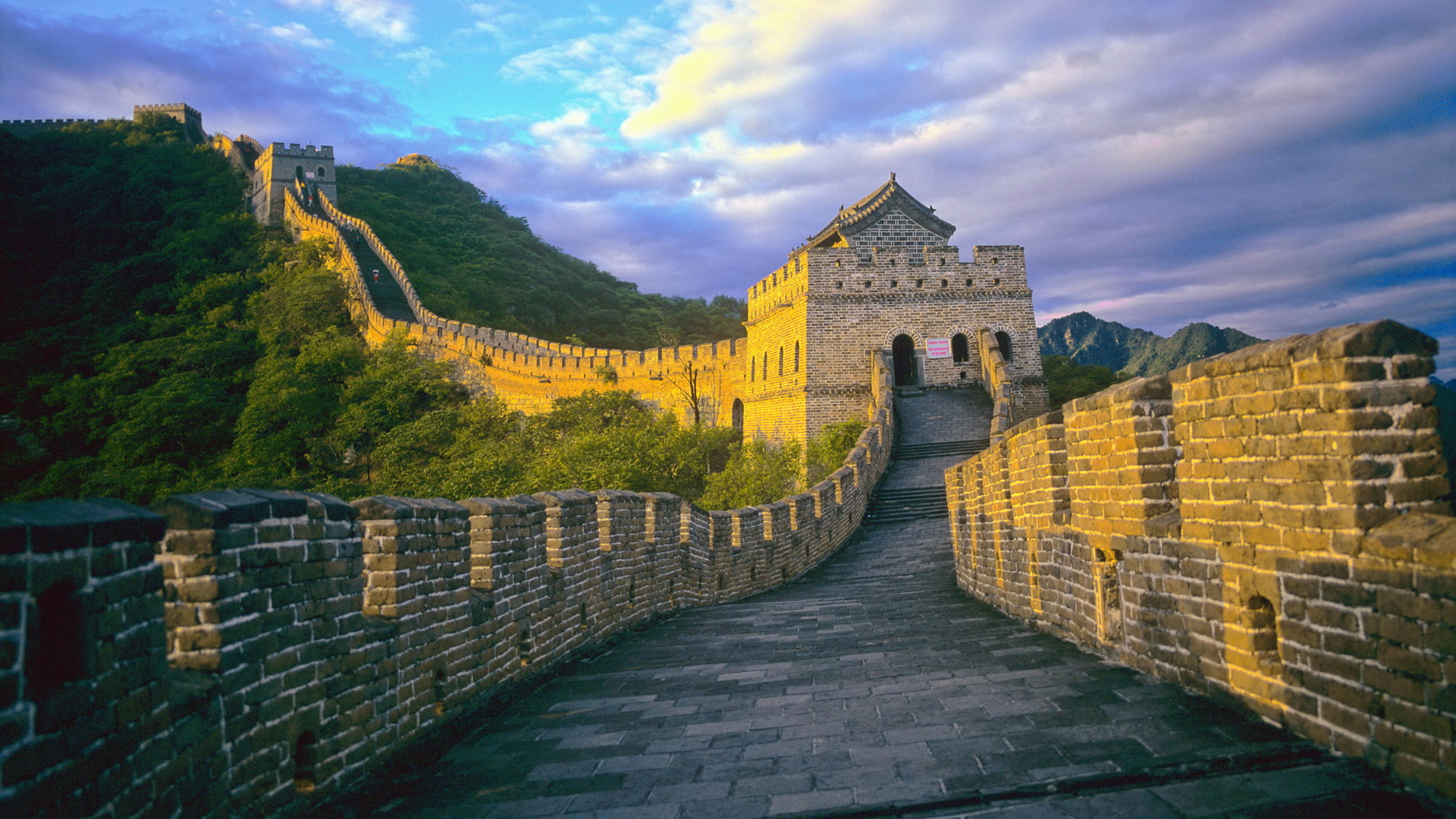
The Great Wall of China, stretching over 13,000 miles, is not just a testament to the ingenuity of ancient Chinese architects but also a reflection of the country’s strategic military thinking. Built over several dynasties, primarily to defend against nomadic groups from the north, the wall is a complex of walls and fortifications that snakes across the rugged terrain of China’s northern border. The most famous sections, such as Badaling and Mutianyu, attract millions of visitors each year, offering a glimpse into the life of the wall’s builders and defenders.

Beyond the Wall: Other Ancient Wonders

The Terracotta Army

Discovered in 1974 by local farmers near Xi’an, the Terracotta Army is one of the most significant archaeological finds of the 20th century. This vast collection of terracotta sculptures depicting the armies of Qin Shi Huang, the first Emperor of China, was buried with the emperor in 210–209 BCE to protect him in the afterlife. The lifelike statues, including warriors, chariots, and horses, provide a fascinating look into the military, art, and funerary practices of the Qin Dynasty.

The Forbidden City

The Forbidden City, located in the heart of Beijing, served as the imperial palace for 24 emperors during the Ming and Qing dynasties. This sprawling complex, with its intricate architecture and richly decorated halls, was the ceremonial and political center of Chinese government for nearly 500 years. Today, it stands as a museum, offering visitors a window into the lives of China’s imperial families.

The Silk Road

The Silk Road, an ancient network of trade routes that connected the East and West, played a crucial role in the cultural, economic, and political development of China. Stretching over 4,000 miles, the route facilitated the exchange of goods, ideas, and religions between China and the Mediterranean. Today, travelers can retrace parts of this historic route, exploring ancient cities and trading posts that once thrived along its path.

Conclusion

China’s ancient wonders, from the Great Wall to the Terracotta Army and beyond, offer a glimpse into the country’s storied past. These monuments and artifacts are not just physical reminders of China’s history but also symbols of human achievement and creativity. As we continue to explore these wonders, we gain a deeper understanding of the complex tapestry of Chinese civilization and its enduring legacy. Whether you’re a history buff, an architecture enthusiast, or simply curious about the world, China’s ancient wonders promise an unforgettable journey through time.
Messages from Ancient Peru: The Enigma of the Nazca Lines

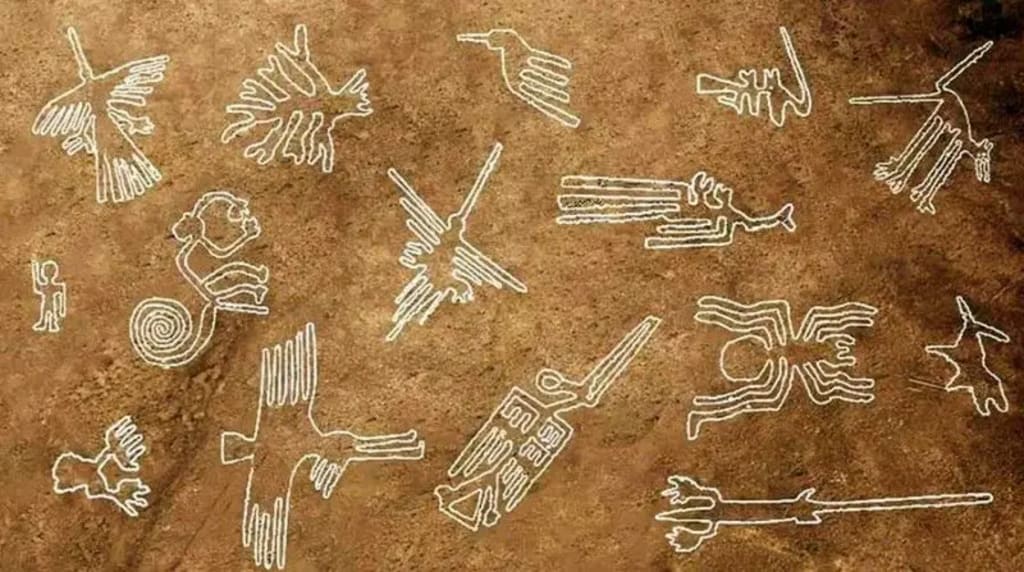
88themovie.com – Nestled in the arid plains of the Peruvian coastal region, the Nazca Lines stand as one of the world’s most enduring mysteries. These ancient geoglyphs, etched into the earth over a millennium ago, have puzzled archaeologists, historians, and enthusiasts alike for decades. The sheer scale and precision of these lines, which include over 70 distinct animal and plant designs as well as numerous straight lines and geometric shapes, raise a multitude of questions about their purpose, creation, and the civilization responsible for them.

The Discovery of the Nazca Lines

The Nazca Lines were first brought to the attention of the modern world in the early 20th century, but it wasn’t until the 1930s that their true scale and complexity were realized. Peruvian archaeologist Toribio Mejía Xesspe was the first to document the lines from the ground, but it was the advent of commercial aviation that allowed people to truly appreciate the vastness and intricacy of the Nazca Lines. From the air, the lines reveal themselves not just as simple drawings, but as part of a larger, interconnected network of geoglyphs that cover an area of over 450 square miles.

Theories on the Purpose of the Nazca Lines

The purpose of the Nazca Lines has been the subject of much debate and speculation. Some of the more fanciful theories suggest that they were landing strips for extraterrestrial spacecraft or part of an ancient astronomical calendar. However, most scholars agree that the lines were likely created for ceremonial or ritualistic purposes, possibly as a way to communicate with the gods. The Nazca people, who thrived in the region between 100 BCE and 800 CE, were known for their advanced agricultural techniques and their reverence for water and fertility, themes that are reflected in many of the geoglyphs.

The Creation of the Nazca Lines

The process by which the Nazca Lines were created is almost as mysterious as their purpose. The lines were made by removing the reddish surface stones to reveal the lighter earth beneath. This method required a high level of planning and coordination, as well as a deep understanding of the local geography and climate. The precision of the lines, which can be up to several hundred meters long, suggests the use of sophisticated surveying techniques, yet no evidence of such tools has been found.

Preservation and Protection

The Nazca Lines have been recognized as a UNESCO World Heritage Site since 1994, and efforts are ongoing to preserve and protect them from erosion, vandalism, and the encroachment of modern development. The Peruvian government has implemented strict regulations to limit access to the site, and international organizations have provided support for conservation projects. Despite these efforts, the Nazca Lines remain vulnerable, and their preservation is a constant challenge.

Conclusion

The Nazca Lines continue to captivate the imagination of people around the world. They stand as a testament to the ingenuity and spirituality of the ancient Nazca people, and as a reminder of the many mysteries that lie buried in the sands of time. While much about the Nazca Lines remains unknown, they serve as a powerful symbol of human creativity and the enduring quest to understand our past. As we continue to study and marvel at these ancient messages from Peru, we are reminded of the depth and complexity of human civilization and the stories that are written into the very earth beneath our feet.