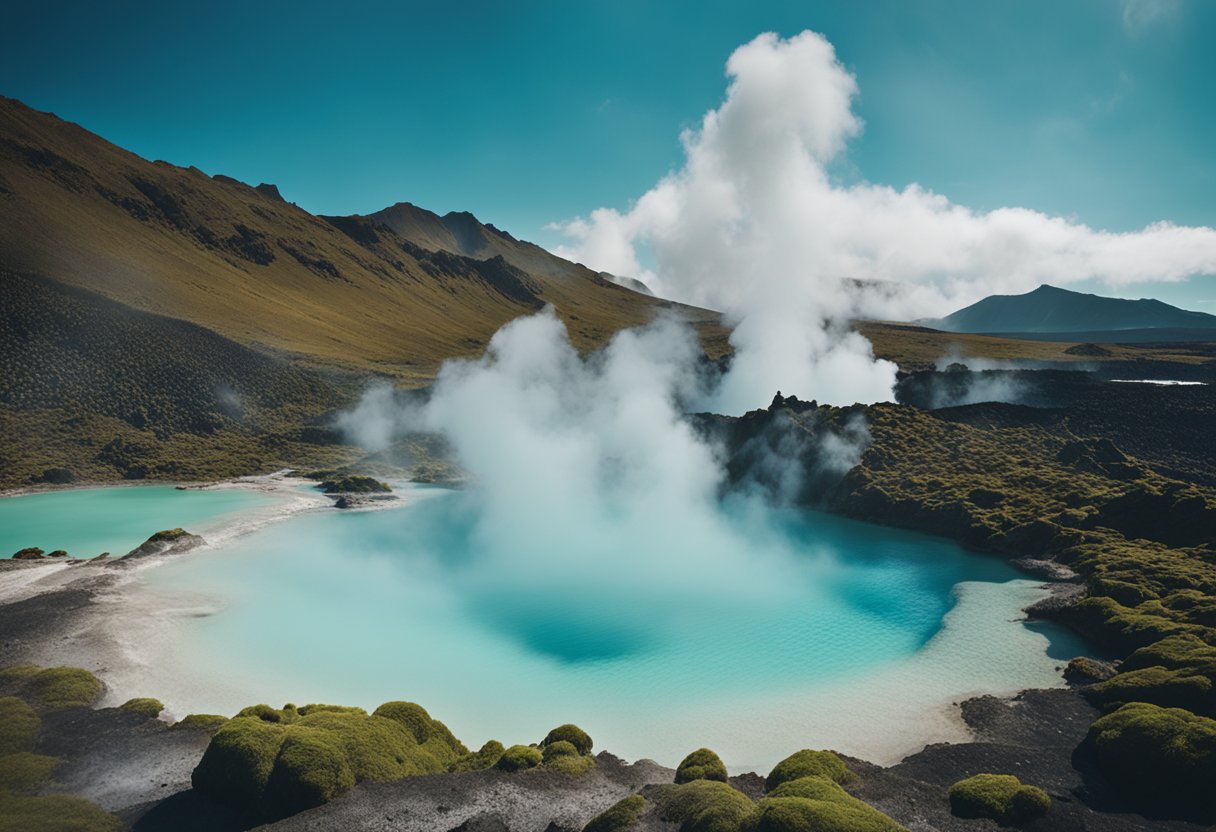
The Geothermal Wonders of Iceland

88themovie.com – Iceland, a land of fire and ice, is renowned for its breathtaking landscapes and unique geological features. At the heart of its natural allure lies an abundance of geothermal activity, which has shaped the island’s terrain and culture for centuries. From the steaming geysers to the soothing hot springs, Iceland’s geothermal wonders offer a glimpse into the Earth’s inner workings and provide a sustainable source of energy and relaxation.

The Power of Geothermal Energy

Geothermal energy is a renewable resource that Iceland has harnessed with great success. The country’s location on the Mid-Atlantic Ridge, a divergent tectonic plate boundary, results in a high level of volcanic and geothermal activity. This geological setting has endowed Iceland with an extensive network of geothermal fields, which are utilized for heating and electricity generation.

Heating Homes and Greenhouses

One of the most significant benefits of Iceland’s geothermal resources is the ability to heat homes and greenhouses efficiently. The capital, Reykjavik, is known for its extensive district heating system, which provides warmth to nearly 90% of the city’s buildings. This sustainable heating method reduces the need for fossil fuels and contributes to Iceland’s reputation as a leader in green energy.

Electricity Generation

In addition to heating, geothermal power plants generate a substantial portion of Iceland’s electricity. The Nesjavellir and Hellisheiði power stations are among the largest in the country, supplying clean energy to homes and industries. The utilization of geothermal energy for electricity production has allowed Iceland to maintain one of the lowest carbon footprints in the world.

Iconic Geothermal Attractions

Iceland’s geothermal wonders are not only a source of sustainable energy but also a major draw for tourists. The island is dotted with geothermal attractions that offer a unique experience to visitors.

The Great Geysir

The Great Geysir, located in the Haukadalur valley, is one of Iceland’s most famous geysers. Although it erupts infrequently, its neighbor Strokkur erupts every few minutes, shooting water up to 30 meters into the air. These geysers are a testament to the dynamic forces at work beneath Iceland’s surface.

The Blue Lagoon

Perhaps the most iconic geothermal attraction is the Blue Lagoon, a man-made geothermal spa situated near the capital. The milky-blue waters, rich in minerals like silica and sulfur, are said to have healing properties. Visitors from around the world flock to the Blue Lagoon to relax in its warm waters and enjoy the serene environment.

The Landmannalaugar Region

For those seeking a more remote experience, the Landmannalaugar region offers a stunning landscape of colorful rhyolite mountains and natural hot springs. Hikers and nature enthusiasts can explore this area, which is part of the Fjallabak Nature Reserve, and take a dip in the warm pools amidst the rugged beauty.

Sustainable Tourism and Geothermal Wonders

As Iceland continues to welcome tourists eager to experience its geothermal wonders, there is a growing emphasis on sustainable tourism practices. The goal is to preserve these natural treasures for future generations while still allowing visitors to enjoy the unique experiences they offer.

Protecting the Environment

Efforts are being made to minimize the environmental impact of tourism in geothermal areas. This includes implementing strict regulations on waste management, limiting the number of visitors, and educating tourists about the importance of preserving these delicate ecosystems.

Promoting Eco-Friendly Practices

Icelandic authorities and tour operators are encouraging eco-friendly practices among visitors. This can range from using renewable energy sources in tourist facilities to promoting the use of public transportation and eco-tours that respect the natural environment.

Conclusion

The geothermal wonders of Iceland are a testament to the island’s unique geological heritage and its commitment to sustainability. From the energy that powers homes and industries to the attractions that delight visitors, geothermal activity plays a vital role in Iceland’s identity. As the world looks for ways to reduce its carbon footprint, Iceland’s geothermal success story offers valuable lessons in harnessing the Earth’s natural resources responsibly.

The Great Wall and Beyond: China’s Ancient Wonders

88themovie.com – China, a country with a history that spans over 5,000 years, is home to some of the most remarkable ancient wonders in the world. Among these, the Great Wall of China stands as an iconic symbol of the country’s rich heritage and engineering prowess. However, beyond the shadow of this colossal structure, there are numerous other ancient wonders that beckon curious travelers and history enthusiasts. This article takes you on a journey to explore these timeless treasures, offering insights into their significance and the stories they tell about China’s past.

The Great Wall: A Marvel of Human Endeavor

The Great Wall of China, stretching over 13,000 miles, is not just a testament to the ingenuity of ancient Chinese architects but also a reflection of the country’s strategic military thinking. Built over several dynasties, primarily to defend against nomadic groups from the north, the wall is a complex of walls and fortifications that snakes across the rugged terrain of China’s northern border. The most famous sections, such as Badaling and Mutianyu, attract millions of visitors each year, offering a glimpse into the life of the wall’s builders and defenders.

Beyond the Wall: Other Ancient Wonders

The Terracotta Army

Discovered in 1974 by local farmers near Xi’an, the Terracotta Army is one of the most significant archaeological finds of the 20th century. This vast collection of terracotta sculptures depicting the armies of Qin Shi Huang, the first Emperor of China, was buried with the emperor in 210–209 BCE to protect him in the afterlife. The lifelike statues, including warriors, chariots, and horses, provide a fascinating look into the military, art, and funerary practices of the Qin Dynasty.

The Forbidden City

The Forbidden City, located in the heart of Beijing, served as the imperial palace for 24 emperors during the Ming and Qing dynasties. This sprawling complex, with its intricate architecture and richly decorated halls, was the ceremonial and political center of Chinese government for nearly 500 years. Today, it stands as a museum, offering visitors a window into the lives of China’s imperial families.

The Silk Road

The Silk Road, an ancient network of trade routes that connected the East and West, played a crucial role in the cultural, economic, and political development of China. Stretching over 4,000 miles, the route facilitated the exchange of goods, ideas, and religions between China and the Mediterranean. Today, travelers can retrace parts of this historic route, exploring ancient cities and trading posts that once thrived along its path.

Conclusion

China’s ancient wonders, from the Great Wall to the Terracotta Army and beyond, offer a glimpse into the country’s storied past. These monuments and artifacts are not just physical reminders of China’s history but also symbols of human achievement and creativity. As we continue to explore these wonders, we gain a deeper understanding of the complex tapestry of Chinese civilization and its enduring legacy. Whether you’re a history buff, an architecture enthusiast, or simply curious about the world, China’s ancient wonders promise an unforgettable journey through time.

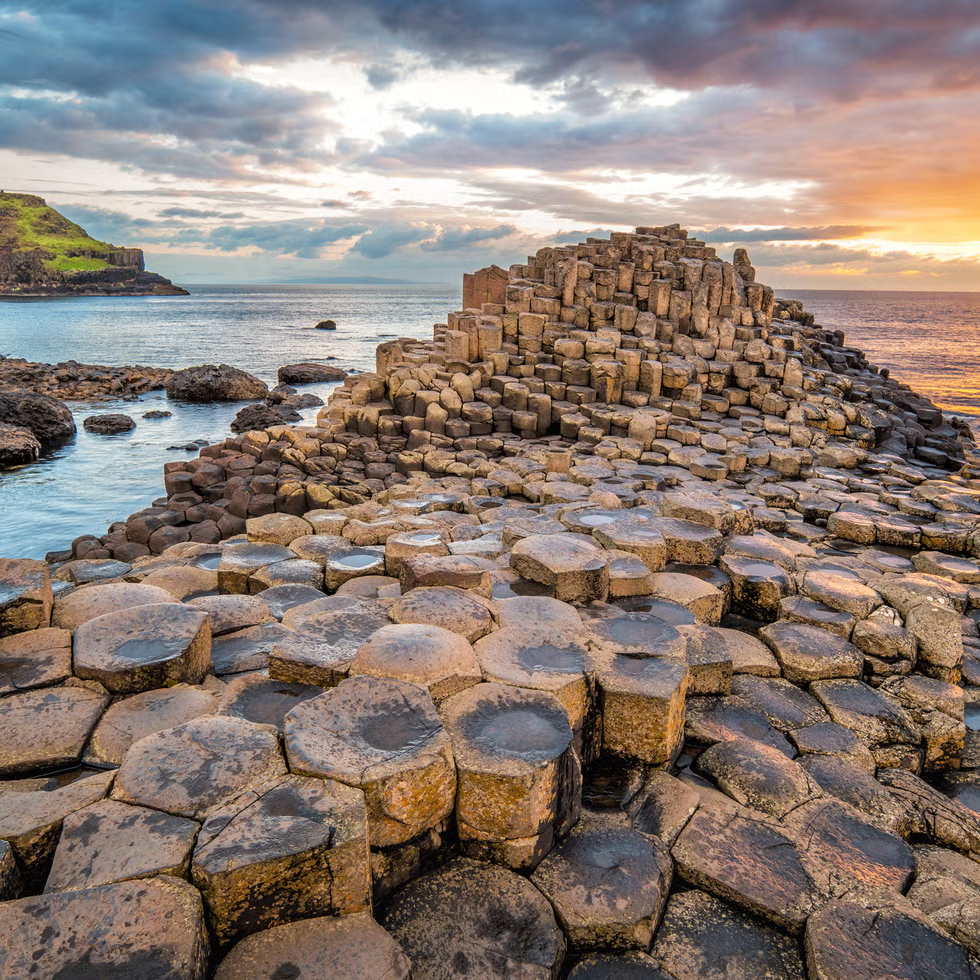
Giant’s Causeway: Natural Wonder or Giant’s Handiwork?

88themovie.com – Nestled along the rugged coast of Northern Ireland, the Giant’s Causeway stands as a testament to the awe-inspiring forces of nature. This geological marvel, composed of thousands of interlocking basalt columns, has long captivated the imaginations of visitors and locals alike. But is this natural wonder truly the work of giants, as folklore suggests, or can science explain its origins? Let’s delve into the history, geology, and mythology of the Giant’s Causeway to uncover the truth behind its creation.

The Legend of Finn McCool

According to Irish mythology, the Giant’s Causeway was built by the Irish giant Finn McCool, known for his strength and cunning. The story goes that Finn wanted to build a causeway to Scotland to fight the Scottish giant Benandonner. The columns, according to legend, were stepping stones for Finn to cross the sea. When Finn realized Benandonner was much larger than he anticipated, he devised a clever plan. He dressed up as a baby, and when Benandonner saw how big the ‘baby’ was, he assumed Finn must be a giant of enormous size and fled back to Scotland, destroying the causeway behind him.

The Science Behind the Stones

While the legend of Finn McCool is a charming tale, geologists have a more scientific explanation for the formation of the Giant’s Causeway. Approximately 60 million years ago, during the Paleogene Period, intense volcanic activity occurred in the region. Molten basalt, forced up through cracks in the Earth’s crust, cooled and solidified. As the lava cooled, it contracted and cracked into the hexagonal columns that are so characteristic of the site today. The process is known as columnar jointing and is a natural result of the cooling and contraction of lava.

A Natural Wonder

The Giant’s Causeway is not only a geological marvel but also a site of great natural beauty. The area is home to a diverse range of flora and fauna, and its unique landscape has been designated as an Area of Outstanding Natural Beauty. The site was also recognized as a UNESCO World Heritage Site in 1986, acknowledging its significant scientific and cultural value.

The Debate: Natural Wonder or Giant’s Handiwork?

While science provides a clear explanation for the formation of the Giant’s Causeway, the legend of Finn McCool remains an integral part of the site’s cultural heritage. The debate between natural wonder and giant’s handiwork is not so much about proving one theory over the other but rather about appreciating the site’s dual significance. The Giant’s Causeway is both a testament to the incredible forces of nature and a symbol of the rich folklore and mythology that have been passed down through generations.

Conclusion

The Giant’s Causeway stands as a bridge between the natural and the mythical, inviting visitors to marvel at its geological perfection while pondering the tales of giants that have been woven into its history. Whether one views it as a natural wonder or the handiwork of giants, there is no denying the allure of this unique site. It is a place where science and storytelling converge, offering a glimpse into the mysteries of our planet and the depths of human imagination.